



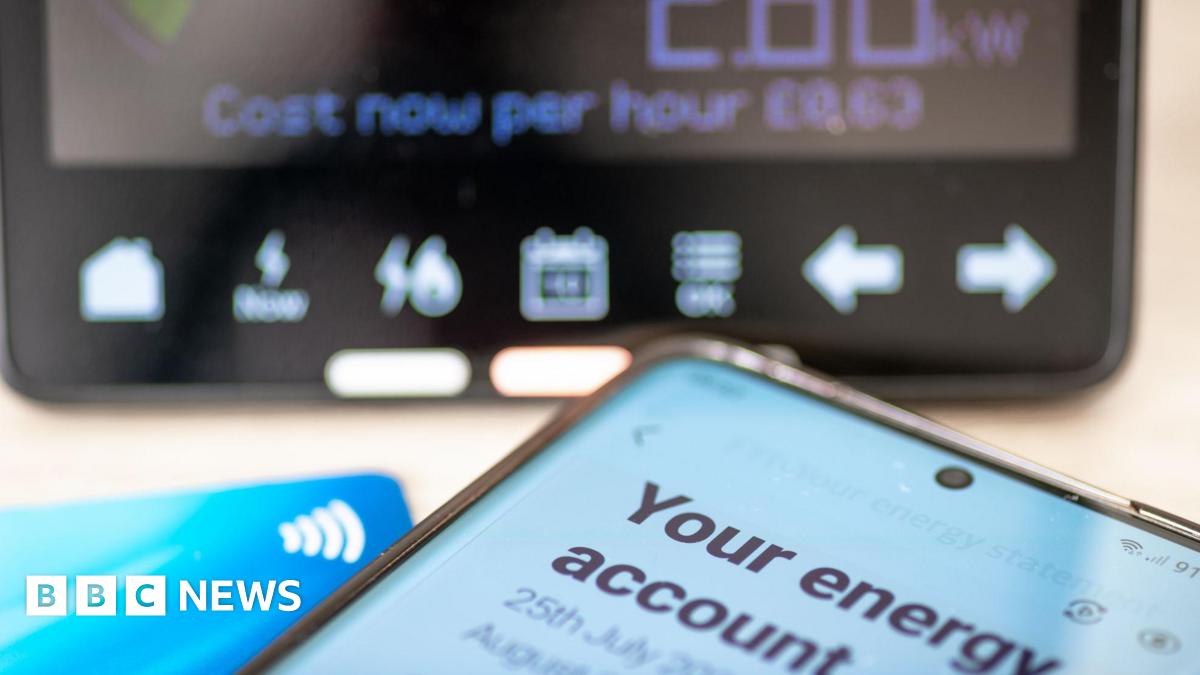
Household energy bills in the UK are set to decrease by £117 annually starting this April, following changes announced by Chancellor Rachel Reeves in November’s Budget. The reduction affects households under Ofgem’s price cap and using typical energy amounts, bringing the annual energy bill down to £1,641. This energy bill reduction comes as the government moves to restructure how energy policy costs are funded across the nation.
According to the November Budget announcement, the government planned to cut typical household energy bills by £150 through eliminating the Energy Company Obligation scheme and transferring certain charges to general taxation. However, rising costs associated with maintaining and strengthening the UK’s energy infrastructure have partially offset these savings. The infrastructure improvements include upgrades to power lines, cables, and gas pipes necessary for the national energy network.
Understanding Energy Bill Composition
Domestic gas and electricity bills comprise multiple components that contribute to the final amount consumers pay. These charges include costs for energy policy initiatives, fees to operate and maintain the distribution network, and the actual price of gas and electricity consumed by households. The complexity of this pricing structure means that changes to one component can significantly impact overall household expenses.
The Energy Company Obligation scheme, introduced by the previous Conservative government, represented one of the policy costs being eliminated under the new changes. Additionally, the government’s decision to shift some charges onto general taxation aims to provide more direct relief to energy consumers. These measures form part of a broader strategy to address the financial burden on working families.
Network Costs Impact Savings
Meanwhile, the increasing expense of maintaining and upgrading energy networks has emerged as a limiting factor in the overall energy bill reduction. Infrastructure investments are essential for ensuring reliable energy delivery and supporting the transition to cleaner energy sources. However, these necessary improvements translate into higher network charges that consumers ultimately bear through their bills.
The £33 difference between the initially projected £150 reduction and the actual £117 decrease reflects these elevated network maintenance costs. Energy companies must continuously invest in infrastructure to meet safety standards, accommodate growing demand, and integrate renewable energy sources into the grid. These ongoing requirements create upward pressure on one component of bills even as policy costs decline.
Government Response to Energy Bill Concerns
Prime Minister Sir Keir Starmer acknowledged the persistent challenge of high energy costs for British households. In his statement, he emphasized that energy bills remain at the forefront of public concern and have remained elevated for an extended period. The Prime Minister reaffirmed his commitment to reducing household energy expenses as a key government priority.
Furthermore, Starmer indicated that additional measures are under consideration to address the cost of living pressures facing working families. The government is reportedly exploring multiple approaches to provide further relief and protect household incomes. This suggests that the current energy bill reduction may be part of a larger package of interventions planned for the coming months.
Looking Ahead
The £117 annual reduction will take effect when Ofgem’s price cap adjusts this April, providing immediate relief to millions of households. However, authorities have not confirmed whether additional policy changes or infrastructure cost mitigation measures will be implemented to achieve further reductions. The balance between necessary network investments and affordable consumer pricing remains an ongoing challenge for policymakers navigating the energy transition.