



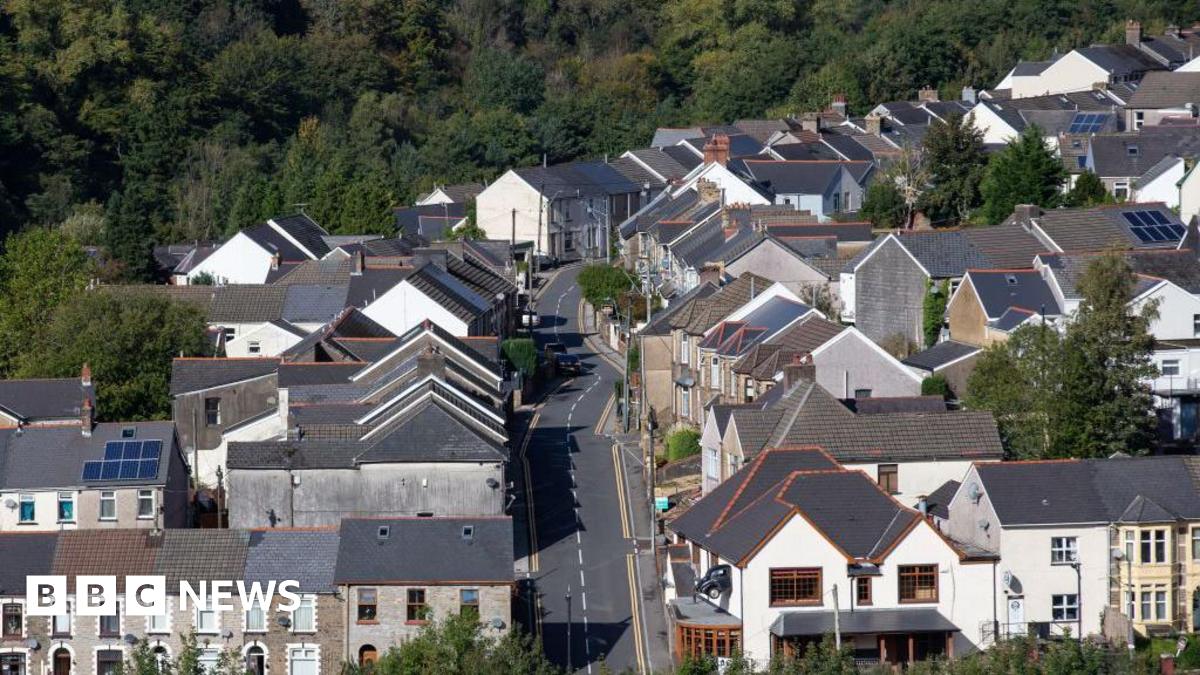
First-time buyers across the United Kingdom are facing a new challenge in their quest for homeownership, as affordable monthly mortgage repayments have now surpassed deposit savings as the primary barrier to purchasing property. The shift represents a significant change in the housing market dynamics, with rising interest rates transforming what was once primarily a savings challenge into an ongoing affordability crisis for young buyers.
Sam Cartwright, a 25-year-old from Wrexham, exemplifies this emerging trend among prospective homeowners. Despite successfully saving £15,000 for a deposit on properties valued around £150,000 in his local area, Cartwright has found that securing the initial deposit no longer guarantees a viable path to homeownership when purchasing independently.
Rising Mortgage Costs Create New Obstacles for First-Time Buyers
According to Cartwright, the traditional advice to save a 10% deposit no longer addresses the full scope of challenges facing first-time buyers. While he has achieved this milestone, the subsequent monthly financial obligations have made solo property purchase feel unrealistic. Monthly mortgage payments ranging between £700 and £1,000 represent just the beginning of homeownership expenses.
Beyond the mortgage repayments themselves, Cartwright highlighted the cumulative burden of additional housing costs. Council tax, heating, electricity, and water bills must all be factored into monthly budgets before essential expenses like food and fuel are even considered. This layering of costs has fundamentally altered the affordability equation for young people seeking to enter the property market.
The Changing Landscape of Housing Affordability
The situation reflects broader economic pressures affecting the housing market throughout recent years. Higher interest rates have substantially increased the cost of mortgage borrowing, transforming properties that appeared affordable based on deposit requirements into monthly financial commitments that stretch beyond many first-time buyers’ budgets.
Meanwhile, the gap between what lenders are willing to approve and what borrowers can realistically sustain has widened. Traditional affordability assessments may approve mortgage applications, but the practical reality of managing ongoing payments alongside rising living costs presents a different challenge entirely. This disconnect between approval and actual affordability has left many potential buyers in limbo despite having saved diligently.
Implications for Young Homebuyers
The shift from deposit-focused barriers to repayment-focused obstacles carries significant implications for housing policy and individual life planning. First-time buyers who previously viewed deposit savings as their primary goal must now recalibrate expectations and potentially delay purchases further while building larger financial cushions or seeking higher incomes.
Additionally, this affordability squeeze may push more young buyers toward shared ownership schemes, extended family support arrangements, or prolonged periods in rental accommodation. The traditional trajectory of independent homeownership in one’s mid-twenties appears increasingly out of reach for individuals on single incomes, even those who have demonstrated financial discipline through successful saving.
However, the situation varies considerably by region, with property prices and local wage levels creating different affordability landscapes across the country. Areas with lower property values may still offer viable pathways to homeownership for first-time buyers, though the fundamental challenge of balancing monthly commitments remains consistent.
The future trajectory of mortgage affordability for first-time buyers will likely depend on interest rate movements and wage growth in coming months. Whether lenders will adapt their products to address this shifting barrier, or whether policy interventions might emerge to support struggling first-time buyers, remains uncertain as the housing market continues to evolve.