



Oil prices surged to seven-month highs this week as global markets responded to escalating tensions between the United States and Iran in advance of critical nuclear negotiations. US crude futures climbed to $67.28 a barrel on Monday, while Brent crude reached $72.50 a barrel, marking its highest point since July 31. Although prices retreated slightly during late trading on Monday, they rebounded on Tuesday morning, approaching the previous day’s peaks.
The price increases reflect growing concerns about potential disruptions to global energy supplies amid heightened military posturing in the Middle East. Washington and Tehran are scheduled to hold their third round of nuclear talks in Geneva on Thursday, according to confirmation from Oman’s foreign minister on Sunday.
Market Analysts Cite Risk Premium in Oil Prices
According to James Hosie, a research analyst at Shore Capital, oil markets are “rationally trying to price in a risk premium for oil prices, given the disruption a conflict could have on global supplies.” The assessment suggests traders are incorporating potential supply disruptions into their pricing strategies.
Priyanka Sachdeva, a senior market analyst at Phillip Nova, noted that “the risk of possible military escalation in the Middle East is gaining traction, and thus, traders appear to hedge against worst-case scenarios.” She emphasized that current oil prices are “largely driven by anticipation rather than actual supply loss,” indicating markets are reacting to potential rather than realized threats to energy infrastructure.
Nuclear Talks Proceed Amid Military Buildup
The upcoming Geneva negotiations represent the third round of discussions between American and Iranian officials regarding Tehran’s nuclear program. The talks indicate that the Trump administration believes Iran may be willing to reduce its stockpile of highly enriched uranium and abandon its nuclear ambitions. However, Iranian officials have consistently denied pursuing the development of atomic weapons.
Meanwhile, both nations have engaged in significant displays of military strength ahead of the diplomatic meetings. The United States has substantially increased its military presence in the Middle East over the weekend, deploying additional naval and air assets to the region.
US Military Deployment Intensifies Regional Tensions
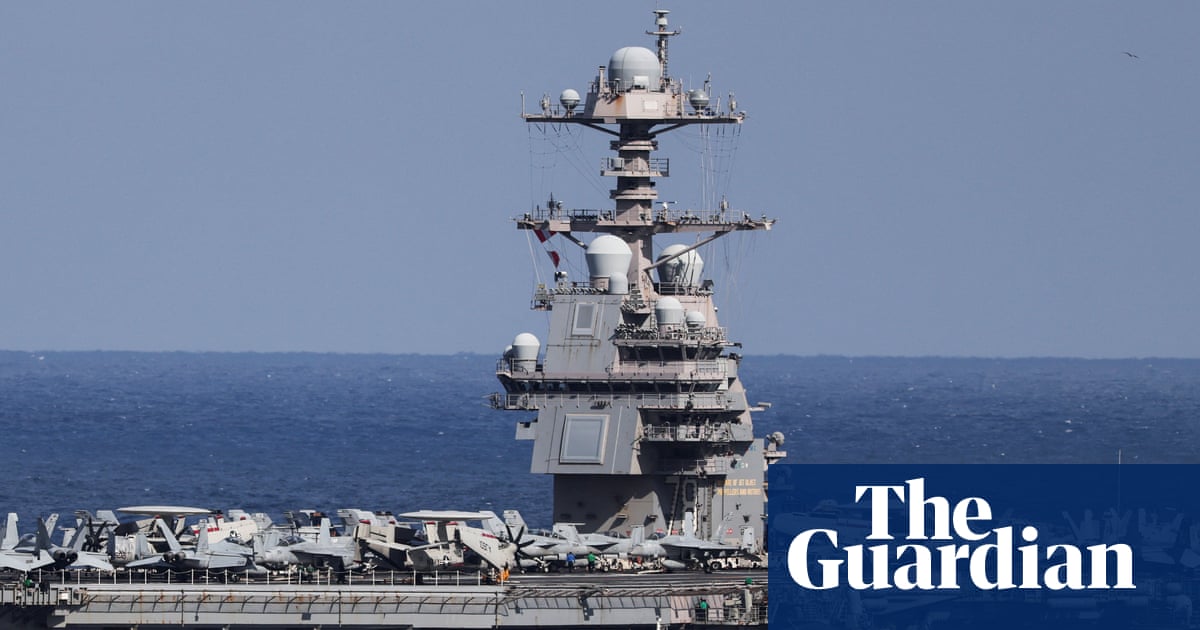
The aircraft carrier USS Gerald R Ford arrived at Crete, Greece, on Monday as part of the enhanced American military posture. Additionally, the USS Abraham Lincoln remains stationed in the Arabian Sea near Oman, carrying fighter jets and more than 5,630 sailors aboard.
In contrast to these shows of force, President Donald Trump issued a warning via Truth Social on Monday, stating it would be a “very bad day” for Iran if negotiations failed to produce an agreement. The comment underscored the high stakes surrounding this week’s diplomatic discussions.
Furthermore, the United States conducted a partial evacuation of its embassy in Beirut on Monday following a security assessment of potential military escalation risks throughout the region. The precautionary measure reflects heightened concerns about the stability of the broader Middle East as nuclear negotiations approach.
Energy Markets Monitor Diplomatic Developments
The recent surge in crude oil prices demonstrates how geopolitical uncertainty in the Middle East continues to influence global energy markets. Traders remain focused on potential supply disruptions, particularly given the region’s critical role in worldwide petroleum production and transportation routes.
The outcome of Thursday’s nuclear talks in Geneva will likely determine whether oil prices continue their upward trajectory or stabilize as diplomatic tensions ease. Observers remain uncertain whether the negotiations will yield substantive progress or further complicate the already volatile relationship between Washington and Tehran.