

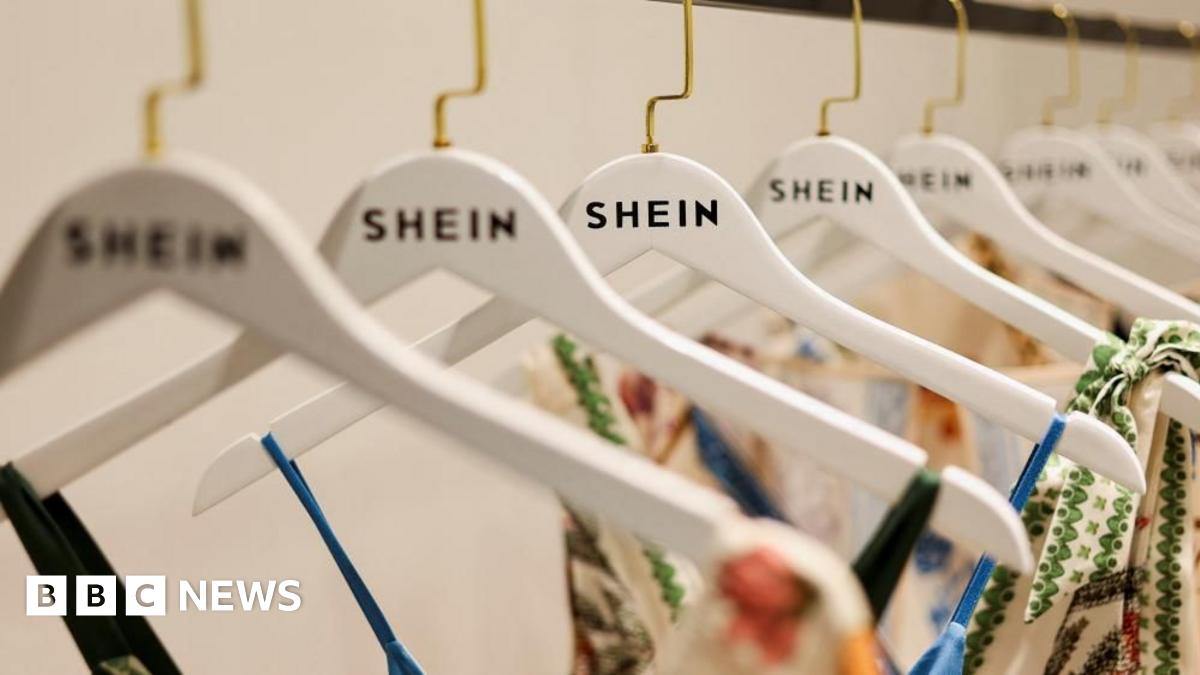
Shein founder Xu Yangtian has made a rare public appearance to reaffirm the fast-fashion giant’s commitment to its manufacturing base in southern China. In a live-streamed speech to provincial officials and business leaders in Guangdong, Xu pledged that Shein will “remain firmly rooted in Guangdong and build a world-class fashion industry cluster,” according to remarks widely circulated on Chinese social media and covered by local news outlets.
The public statement marks an unusual move for the typically reclusive founder, who has largely avoided the spotlight despite building a company that now serves customers in more than 160 countries. Xu’s comments come at a critical time as the online retailer navigates mounting challenges on multiple fronts.
Trade Policies and Tax Changes Impact Shein Operations
The fast-fashion retailer has been significantly affected by shifting trade policies under US President Donald Trump’s administration. Most notably, the removal of a tax loophole for low-value parcels has struck at the core of Shein’s export business model, which relies heavily on shipping individual items directly to consumers worldwide.
This change has rocked exporters across Asia, fundamentally altering the economics of the cross-border e-commerce industry. Additionally, growing tensions between Beijing and Western governments have led to increased scrutiny of Chinese firms operating in international markets.
European Investigations and Regulatory Challenges
Meanwhile, Shein faces investigation by the European Union over potential breaches of digital law. The probe includes examining reports of childlike sex dolls being sold on the platform, a matter that sparked significant controversy across Europe.
The company has responded by removing the listings, banning the sellers involved, and pledging to tighten platform rules. However, the incident drew substantial backlash, particularly in Paris, where protesters demonstrated against the opening of Shein’s first concession in France.
Supply Chain and Environmental Concerns
In contrast to its rapid global expansion, Shein has faced persistent questions about labor conditions within its supply chain. Critics have raised concerns about working conditions in the factories that produce the company’s ultra-affordable clothing items.
Furthermore, environmental advocates have highlighted the ecological impact of the fast-fashion industry as a whole. The business model, which encourages frequent purchases of inexpensive garments, has drawn criticism for contributing to textile waste and resource consumption.
Shein Expansion Plans Despite Challenges
Despite these obstacles, the retailer continues to pursue physical retail expansion in Europe. The company is set to open additional shops in French cities this week, following delays to store launches originally scheduled for December.
Xu’s public commitment to maintaining Shein’s manufacturing presence in Guangdong appears designed to reassure both Chinese authorities and the company’s extensive supplier network. The statement emphasizes the company’s continued reliance on the region’s manufacturing ecosystem, which has been central to its ability to rapidly produce and ship trendy items at low prices.
The timing of Xu’s remarks suggests strategic positioning as global trade dynamics continue to evolve and regulatory pressure intensifies across key markets. By emphasizing its Chinese roots while simultaneously expanding European retail presence, Shein appears to be balancing multiple stakeholder interests.
Authorities have not confirmed specific timelines for the European Union investigation, leaving uncertainty about potential regulatory actions or penalties the company may face in coming months.