


Obstructive sleep apnoea costs the US and UK economies more than £137 billion ($185 billion) annually, according to new research published in the medical journal Thorax. The study, led by researchers at University College London, highlights the massive economic burden of this widespread yet frequently undiagnosed sleep disorder. The condition affects approximately 1 billion people globally, including 8 million in the UK, though up to 85% of cases remain undiagnosed.
The research team surveyed more than 4,000 adults across both countries and found that roughly one-fifth of respondents reported breathing pauses on three or more nights along with excessive daytime sleepiness, which are core criteria for diagnosing sleep apnoea. According to the study authors, the US economy loses $180 billion (£133 billion) per year while the UK loses £4.2 billion annually due to the condition’s impact on workplace productivity.
Understanding the Economic Impact of Sleep Apnoea
The economic calculations focused primarily on lost workdays and reduced performance while employees were at work. However, researchers acknowledged that their estimates are likely conservative. The analysis did not include increased medical expenditure or the costs associated with road traffic and workplace accidents linked to the condition.
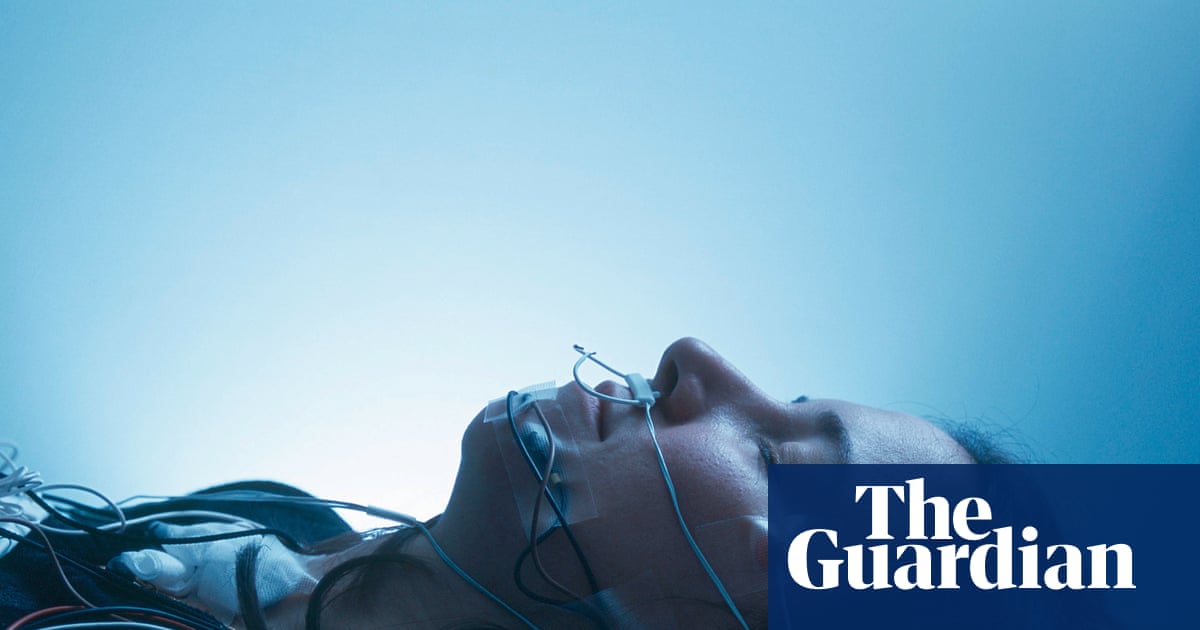
People with obstructive sleep apnoea repeatedly stop breathing temporarily during sleep, often snoring very loudly and waking up gasping for breath. Additionally, sufferers frequently experience excessive daytime fatigue that significantly impairs their ability to function effectively at work. When left untreated, the condition is linked to increased risks of heart attack and stroke.
Calls for Workplace Screening and Early Intervention
The study calls for workplace screening programs and earlier treatment to address this hidden health crisis. According to the authors, policymakers should allocate resources toward developing effective screening strategies and implementing targeted public health campaigns. They emphasized that early identification and treatment of obstructive sleep apnoea could result in substantial savings, potentially amounting to billions annually in productivity costs.
Meanwhile, advances in technology may make diagnosis more accessible. New low-cost technologies and screening algorithms could make the condition easier to identify in workplace settings. However, treatment adherence remains a significant challenge that complicates efforts to reduce the economic burden.
Treatment Challenges and Worker Concerns
Nearly two-thirds of patients discontinue continuous positive airway pressure therapy, which is the standard treatment for sleep apnoea. In contrast, alternatives such as weight loss drugs, mouth guards to keep airways open, and hypoglossal nerve stimulation implants are not suitable for all patients with the condition.
Some experts have cautioned that workers may fear being penalized if diagnosed. Adrian Jones, national officer at the trade union Unite, which represents many road haulage and passenger transport drivers, said professional drivers often hide issues of sleep apnoea out of fear of losing their jobs. He emphasized that before introducing screening, employers must be fully educated that sleep apnoea can be effectively managed, and workers must have confidence they will be supported rather than dismissed if a problem is identified.
The researchers have not specified a timeline for implementing their recommended screening programs. However, the substantial economic costs identified in the study may prompt policymakers to consider workplace health initiatives targeting obstructive sleep apnoea in the coming months.