


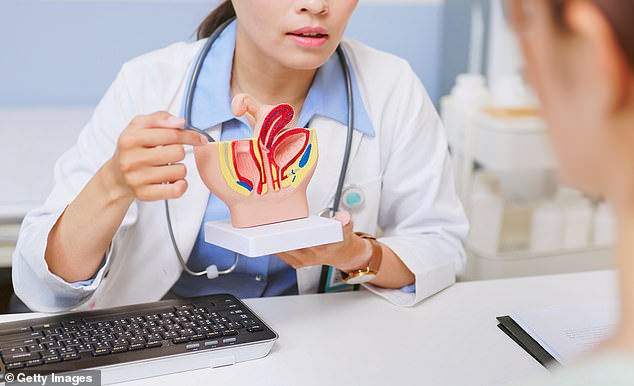
A growing number of women using weight loss medications are experiencing unexpected intimate health effects, according to medical professionals specialising in cosmetic gynaecology. This phenomenon, termed “Ozempic vagina” by practitioners, refers to the loss of volume, sagging, and functional changes in the intimate area that can accompany rapid weight loss from GLP-1 drugs. Dr Sima Al Asad, who works in both NHS obstetrics and advanced aesthetics, reports seeing an increasing number of patients dealing with these issues, particularly among perimenopausal and menopausal women.
The condition mirrors the well-known “Ozempic face” effect, where rapid weight loss creates a gaunt, aged appearance. However, the intimate area experiences similar volume depletion that remains less visible but equally impactful on physical comfort and function, according to the specialist.
Understanding Ozempic Vagina Symptoms
The primary concern involves laxity of the labia, which lose volume just as facial cheeks do during rapid weight loss. Patients report that their labia appear saggy, particularly when standing, creating aesthetic concerns that can affect self-esteem and intimate relationships. Additionally, the loss of natural fat padding across the pubic bone and outer lips has serious functional implications beyond appearance.
The protective cushioning serves an important anatomical role that becomes compromised with volume loss. When this padding diminishes, wearing underwear or tight clothing can become painful due to lack of support for the inner structures. The increased friction can lead to pigmentation issues and heightened susceptibility to thrush, bacterial vaginosis, and urinary tract infections, as the urethra becomes less protected.
Hormonal Changes Compound the Problem
Adipose tissue plays a crucial role in oestrogen production, meaning higher body fat typically correlates with higher oestrogen levels. When patients experience rapid fat loss from medications like Ozempic or Mounjaro, they may also face a rapid decline in oestrogen levels. This effectively mimics or exacerbates perimenopausal symptoms including vaginal dryness, decreased lubrication, and lower libido.
For women already experiencing perimenopause or menopause, the weight loss compounds existing tissue atrophy issues. Meanwhile, the medications themselves can reduce thirst as well as appetite, often leading to systemic dehydration that contributes to intimate dryness. This combination of low oestrogen and dehydration can make intercourse painful and diminish sensation, according to the gynaecologist.
Treatment Options for Weight Loss Side Effects
Addressing the condition requires understanding the root cause rather than simply treating symptoms. Dr Sima emphasises conducting in-depth consultations before discussing major concerns, as GLP-1 use is not always something patients automatically reveal. Treatment approaches vary depending on individual patient needs and the severity of symptoms.
For skin quality improvement and lifting effects, practitioners may use radiofrequency micro-needling treatments designed specifically for the intimate area. Non-surgical labiaplasty using radiofrequency at higher temperatures can tighten the area and improve aesthetic appearance for more significant changes. Once skin quality improves, fillers can restore the protective cushion in the outer lips, providing necessary support and protection for inner structures.
Combating dryness and laxity often requires combining treatments. Hyaluronic acid injections can deeply hydrate tissues while internal radiofrequency treatments rejuvenate the area, improve blood flow, and address dryness and sensation issues. Pelvic floor strengthening exercises may also be incorporated to improve overall support and function.
Long-Term Management Required
The specialist emphasises that no quick fix exists for these intimate health concerns. A holistic approach customised to each patient’s specific complaints typically takes three to six months to achieve desired results. Most patients require annual maintenance treatments, similar to ongoing weight management, rather than a one-time solution.
As GLP-1 medications become increasingly commonplace for weight loss, awareness of these intimate health effects remains limited. Medical professionals expect to see continued demand for treatments addressing these functional and aesthetic concerns as more women experience rapid weight loss from these drugs.