


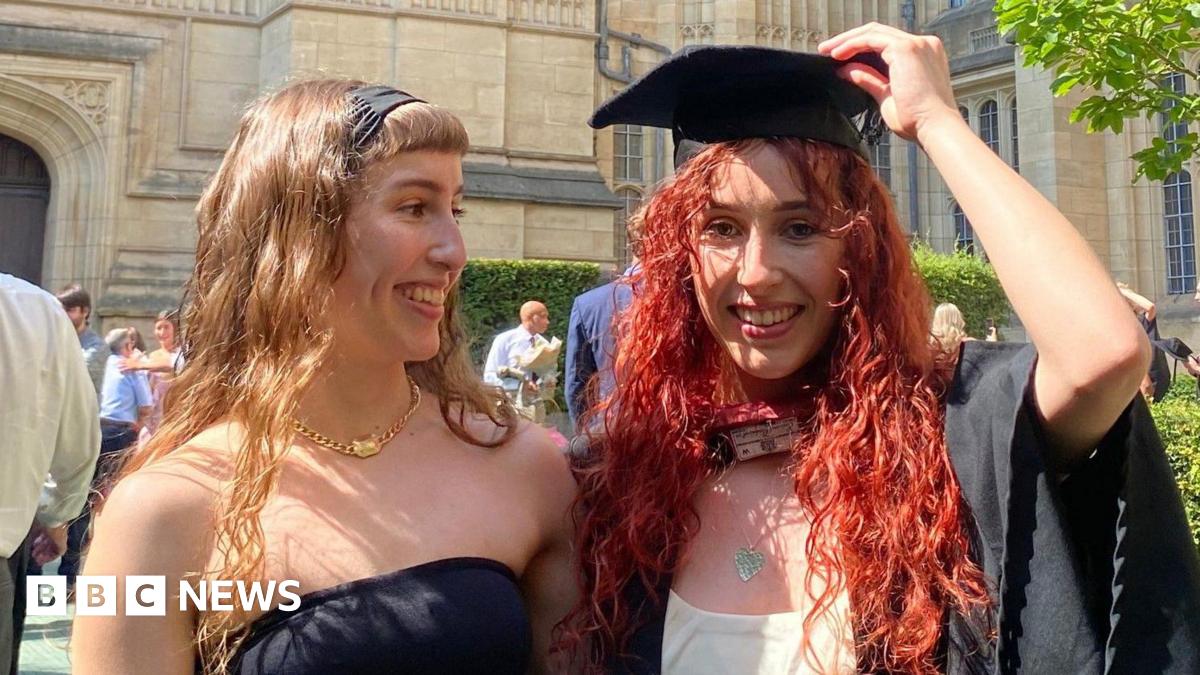
Two sisters who believed they were fraternal twins for their entire lives discovered they are actually identical twins during a medical crisis. Caitlin and Grace learned the surprising truth when doctors conducted genetic testing after Caitlin was diagnosed with acute myeloid leukaemia and Grace volunteered to become a stem cell donor for her sister’s treatment.
The revelation came after medical professionals triple-checked their results, according to Caitlin. Doctors found that every single genetic marker examined in both sisters was exactly the same, confirming they were identical twins rather than fraternal twins as their family had believed.
Why Identical Twins Were Initially Misidentified
Caitlin and Grace developed in separate amniotic sacs during pregnancy, which led their parents to assume they were fraternal twins. However, medical experts note that identical twins can and often do develop in separate amniotic sacs, a condition known as diamniotic identical twins.
Grace expressed excitement about the discovery, stating she had always wished to be an identical twin. The finding confirmed what had been a lifelong hope for her, though the timing came during a challenging medical situation for her sister.
Discovery Complicated Cancer Treatment Plan
While the news surprised both sisters, it created an unexpected obstacle for Caitlin’s leukaemia treatment. Because identical twins share near-identical DNA, Grace became ineligible to donate stem cells to Caitlin, forcing doctors to cancel the transplant originally scheduled for August.
Medical teams had to search for an alternative donor while Caitlin’s condition progressed. During this period, the leukaemia spread to her skin, requiring her to join a clinical trial in Manchester for additional treatment options.
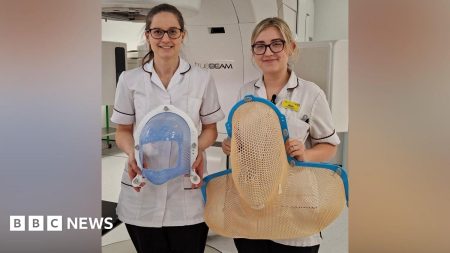
Although the clinical trial initially proved successful, the cancer returned shortly before a second scheduled transplant in December. This recurrence necessitated additional full-body radiotherapy before the procedure could proceed.
Patient Describes Challenging Treatment Experience
Caitlin described the radiation therapy as the most difficult part of her treatment journey. According to her account, she experienced minimal side effects from chemotherapy initially but felt severely ill on the first day of radiation treatment, experiencing multiple side effects simultaneously.
However, she adapted quickly to the radiotherapy regimen. By the second day of treatment, Caitlin reported feeling considerably better as her body adjusted to the intensive therapy.
Successful Stem Cell Transplant from Anonymous Donor
In December, Caitlin successfully underwent a stem cell transplant using cells from an anonymous donor. The procedure marked a crucial milestone in her treatment after months of setbacks and complications following the initial identical twin discovery.
Both sisters have since become advocates for stem cell donor registration. Grace emphasized that the donation process requires a maximum of six hours but can transform someone’s life completely, questioning why more people don’t volunteer for the registry.
The twins continue to encourage others to register as potential stem cell donors. Their story highlights both the importance of genetic testing in medical treatment and the critical need for diverse stem cell donor databases to help patients when family members cannot serve as matches.
Authorities have not confirmed Caitlin’s current health status following the December transplant. Recovery from stem cell transplantation typically requires ongoing monitoring, though specific timelines and next steps in her treatment remain undisclosed.