


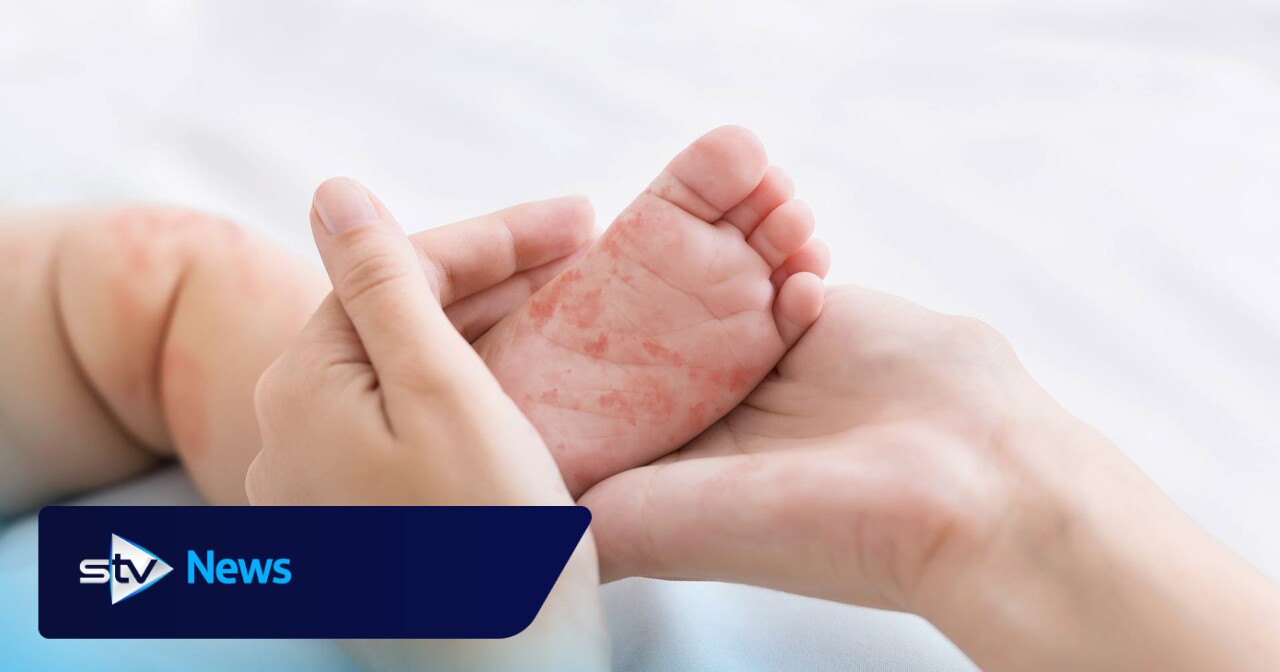
NHS Grampian has confirmed its first measles case in over a decade, prompting health officials to urge both adults and children across Scotland to verify their vaccination status. The health board announced it has completed contact tracing for the confirmed case and provided guidance to all identified contacts, according to public health officials.
As of February 18, Scotland has recorded four laboratory-confirmed measles cases in 2026. The Grampian case represents a significant development for the region, which had not seen a confirmed measles infection in more than ten years.
Rising Measles Cases Prompt Vaccination Concerns
Scotland has witnessed a steady increase in measles cases over recent years, with 28 laboratory-confirmed infections in 2025 compared to 24 in 2024. This upward trend reflects a broader global pattern driven partly by declining vaccination uptake rates. The highly contagious illness can lead to serious complications and, in some instances, prove fatal.
Chris Littlejohn, deputy director of public health with NHS Grampian, confirmed the investigation into the measles case while emphasizing the importance of immunization. “Measles is a serious illness and can be fatal,” Littlejohn stated, adding that vaccination remains a safe and effective preventive measure available through the routine childhood immunization program.
Adults Also at Risk Without Immunization
Health officials are directing their vaccination message not only to parents and caregivers but also to adults who may have missed childhood immunizations. According to Littlejohn, adults who were not immunized as children face comparable risks and should seek vaccination regardless of their age.
NHS Grampian recommends that parents check their child’s Red Book to verify vaccination records. Meanwhile, adults without access to healthcare records should contact their GP practice to review their immunization history. Vaccination appointments can be arranged by calling designated centers, as GP practices no longer provide this service directly.
New MMRV Vaccine Program Introduced
Starting in 2026, Scotland implemented changes to its childhood immunization schedule. Children up to six years old now receive the MMRV vaccine, which protects against measles, mumps, rubella, and varicella (chickenpox). The first dose is administered at 12-13 months, with a second dose at 18 months. Children over six years continue to receive the traditional MMR vaccine.
Additionally, NHS Greater Glasgow and Clyde experienced increased measles activity last year, prompting similar vaccination campaigns. The current situation in Grampian underscores the ongoing challenge of preventing measles transmission across different Scottish health boards.
England Faces Significant Measles Outbreak
The measles situation extends beyond Scotland, with England reporting 130 confirmed cases between January 1 and February 16, according to UKHSA figures. This represents an increase of 34 cases since the agency’s February 12 report. The outbreak primarily affects north London, where unvaccinated young children in schools and nurseries have contracted the illness, with some requiring hospitalization.
However, health officials stress that measles prevention remains straightforward through vaccination. Information about the MMRV and MMR vaccines is available on the NHS Inform website. Parents with questions can consult their child’s health visitor or speak with vaccination center staff, who are prepared to address all concerns without judgment.
NHS Grampian continues monitoring the situation closely, though officials have not indicated whether additional cases are expected or when the investigation will conclude. The health board’s emphasis on vaccination suggests prevention efforts will remain a priority as global measles cases continue to rise.