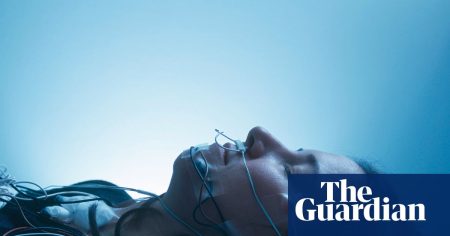



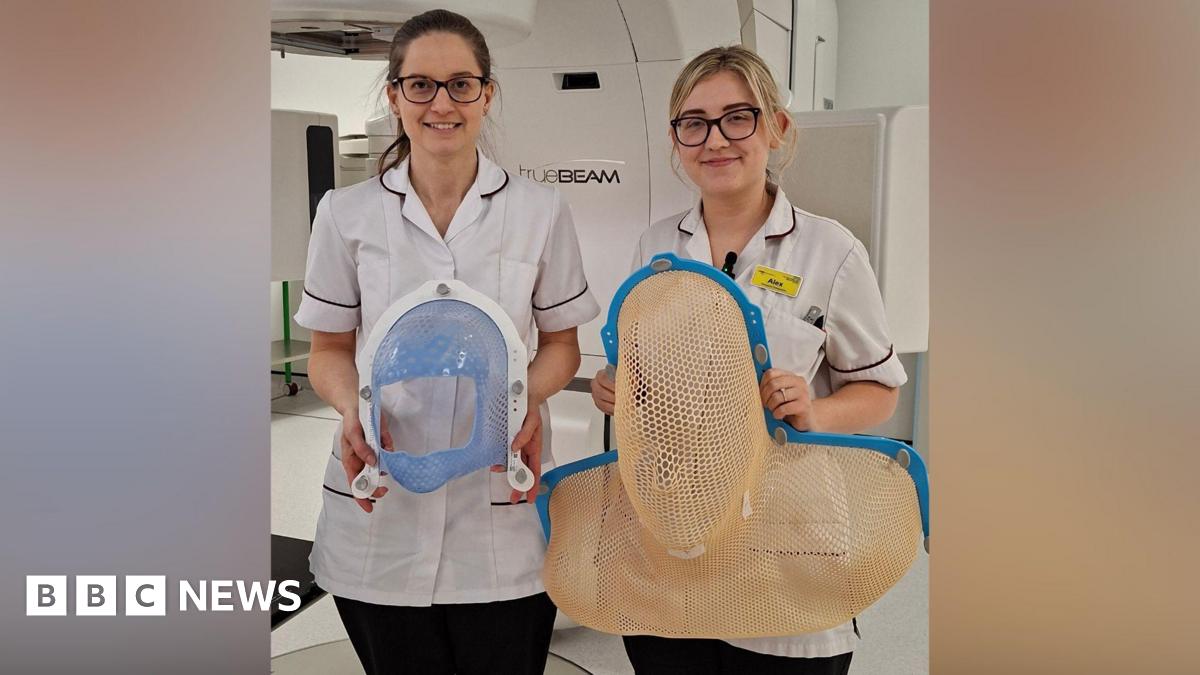
A cancer support charity has funded new surface guided radiotherapy technology at Royal Shrewsbury Hospital that enables patients with claustrophobia to receive treatment using open-face masks instead of traditional full-face coverings. Lingen Davies Cancer Support, which assists cancer patients across Shropshire, Telford and Wrekin, and Mid Wales, provided the funding for the advanced equipment on two radiation machines. The surface guided radiotherapy technology is not widely available across the NHS, making this a significant development for regional cancer care.
The new system has already transformed treatment experiences for patients like Morgan, who suffers from severe claustrophobia dating back to childhood. According to Morgan, the open-face mask allows him to see, open his eyes, and breathe through both his nose and mouth during treatment sessions. In contrast, traditional full-face masks prevent patients from even opening their lips, creating an intensely restrictive experience.
How Surface Guided Radiotherapy Technology Improves Patient Comfort
The surface guided radiotherapy technology represents a major advancement in patient-centered cancer treatment. Morgan described the initial traditional mask as causing panic attacks that nearly prevented him from continuing with his necessary radiotherapy. However, the new open-face mask system has made his treatment sessions manageable despite his longstanding claustrophobia.
Additionally, hospital staff have incorporated breathing exercises into the treatment protocol using the new equipment. Morgan acknowledged that while he still found the experience slightly claustrophobic initially, he gradually became accustomed to it over time. He emphasized that without this innovation, he would not have been able to complete his radiotherapy course.
Addressing Critical Barriers to Cancer Treatment
The technology addresses a significant barrier that prevents some cancer patients from receiving essential radiotherapy. Traditional radiotherapy masks must hold the patient’s head completely still to ensure radiation targets only cancerous tissue while protecting healthy surrounding areas. For patients with claustrophobia, this immobilization can trigger severe anxiety and panic attacks that make treatment impossible.
Meanwhile, surface guided radiotherapy uses advanced imaging systems to track patient positioning in real time without requiring fully enclosed masks. The system can detect even minimal movements and adjust accordingly, maintaining treatment precision while offering greater patient comfort. This technological approach provides an alternative pathway for patients who might otherwise refuse or discontinue necessary cancer treatment.
Expanding Access Beyond NHS Standard Offerings
The Lingen Davies Cancer Support charity investment brings capabilities to Royal Shrewsbury Hospital that extend beyond what is typically available through standard NHS radiotherapy departments. Morgan described the new surface guided radiotherapy technology as a “brilliant invention” that has made his cancer treatment possible. His experience highlights how charitable funding can fill gaps in healthcare technology access, particularly for specialized patient needs.
Furthermore, the installation of this equipment on two separate radiation machines increases treatment capacity for patients requiring this accommodation. The charity’s focus on serving communities across Shropshire, Telford and Wrekin, and Mid Wales ensures that patients in these regions have access to advanced radiotherapy options without traveling to larger metropolitan cancer centers.
The successful implementation of surface guided radiotherapy at Royal Shrewsbury Hospital may encourage other NHS trusts and cancer support organizations to invest in similar technology. As more patients like Morgan share their positive experiences, demand for open-face mask radiotherapy options is likely to increase across the healthcare system.