


Twenty-three members of the World Health Organization’s Scientific Advisory Group for the Origins of Novel Pathogens have concluded their independent assessment of SARS-CoV-2 origins, determining that most peer-reviewed scientific evidence supports a zoonotic origin for the virus. The 78-page report, delivered to the WHO director-general in June 2025, emphasizes that certainty about when, where and how SARS-CoV-2 entered the human population remains elusive until additional data become available.
The scientists clarified their position following nearly 3.5 years of deliberations, noting that of the original 27 members, 23 endorsed the final conclusions. One member resigned before the report’s completion, while three others dissented from the group’s evaluation of laboratory-leak hypotheses based on the absence of evidence, according to the statement.
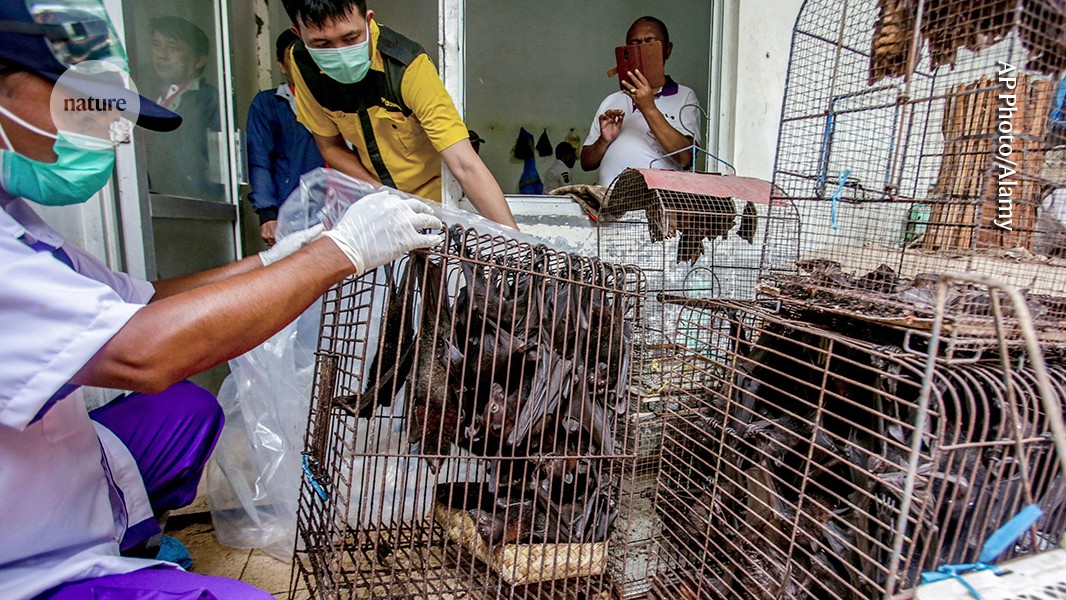
The advisory group investigated four scientifically credible hypotheses regarding the pandemic’s origins. The zoonotic transmission hypothesis received the strongest support from available evidence, with closely related ancestral strains discovered in horseshoe bats across southeast Asia.
Additionally, researchers identified virus strains sharing significant genetic similarity with SARS-CoV-2, including RaTG13 from China with 96.1% genetic code overlap and BANAL-52 from Laos with 96.8% overlap. These findings suggest similar strains circulating in bats might have spilled over to intermediate animal hosts or directly to humans.
Huanan Seafood Market Connection
The investigation revealed that the Huanan Seafood Market in Wuhan played a significant role in early transmission and initial spread. More than 60% of the earliest known human cases in December 2019 involved people with epidemiological links to the market, whether as workers, purchasers, or nearby residents.
Environmental sampling at the market identified two distinct genetic lineages of SARS-CoV-2 in samples from early cases and stall surfaces. Metagenomic sequencing indicated several wildlife species had been present before the market’s sterilization on January 1, 2020, including raccoon dogs, hoary bamboo rats, and palm civets, all susceptible to early SARS-CoV-2 strains.
However, uncertainty remains regarding whether the virus first infected humans at Huanan or whether an earlier spillover event occurred, with the virus subsequently carried to the market by infected humans or animals. The scientists noted that no verified evidence exists of human or animal cases anywhere else before December 2019.
Insufficient Evidence for Laboratory Origin
Meanwhile, the assessment of laboratory-related origin hypotheses faced significant obstacles due to lack of access to crucial information. Repeated requests to the Chinese government for health records of research lab staff, biosafety protocols, and independent inspections of Wuhan facilities have not been fulfilled.
The scientists requested information from the Chinese Center for Disease Control and Prevention in Wuhan and the Wuhan Institute of Virology since November 2021. In contrast, the National Health Commission of China maintains that all relevant data has been shared and proposes investigations in laboratories in other countries where coronavirus research occurred.
Published intelligence reports focusing on biosafety and biosecurity policies at the Wuhan Institute of Virology were determined to be speculative without concrete evidence of a breach. Different government agencies assigned varying confidence levels to competing hypotheses, apparently based on political rather than scientific arguments, according to the scientists.
Genetic Evidence Analysis
The group analyzed the hypothesis that SARS-CoV-2 originated from deliberate manipulation in a laboratory, examining genome structure reports and publications addressing reverse genetics possibilities. They found no evidence suggesting experimental manipulation was more likely than naturally occurring mutations or recombination events.
Furthermore, three bat viruses from Laos identified in 2022 were found to enter human cells through ACE2 receptors, with receptor-binding domains very similar to SARS-CoV-2. This suggests the virus was already capable of replicating in human cells before emerging in humans.
The presence of a polybasic furin cleavage motif in SARS-CoV-2 does not confirm laboratory origin, as the virus could have obtained this element through recombination with other coronaviruses or host genes. Similar elements are commonly found in spike proteins of related coronavirus subgenera, the report indicates.
Dismissed Theories
The scientists addressed widely circulating theories, including speculation surrounding the DEFUSE grant proposal submitted to the US Department of Defense in 2018. Some have argued this proposal involved creating SARS-CoV-2 through reverse genetics, which then escaped from a Chinese laboratory.
However, the group determined the genome elements in the DEFUSE proposal did not belong to the clade containing SARS-CoV-2. The grant, which was never funded, proposed using only recombinant proteins to vaccinate bats, which cannot replicate or spread.
The scientists concluded it is scientifically implausible for SARS-CoV-2 to have been derived from the genome elements in the proposed chimeric vaccine. Animal experiments involving SARS-CoV-2 were conducted in various countries only after the virus’s discovery in 2020, according to the documentation.
Call for Additional Information
The advisory group reiterated requests for any researchers, scientists, or governments with information on SARS-CoV-2 origins to make that information available to the WHO. Outstanding questions include the upstream sources of animals that supplied the Huanan Seafood Market and potentially illegal trade routes.
No animal testing positive for SARS-CoV-2 has been reported in China, despite hundreds of infections documented in susceptible species worldwide from 2020 to 2023. The scientists emphasized that determining disease origins becomes increasingly difficult with time.
The WHO has proposed a second term for the scientific advisory group and issued a call for new participants to continue the investigation. Whether additional data from Chinese authorities or international laboratories will become available to support further analysis remains uncertain.