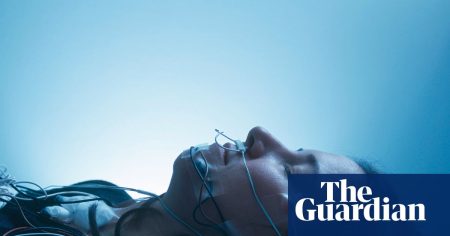




A British writer’s decades-long struggle with myalgic encephalomyelitis, commonly known as chronic fatigue syndrome or ME/CFS, has shed light on the ongoing challenges patients face in securing proper diagnosis and treatment for this debilitating condition. The personal account, spanning nearly 30 years from childhood illness to experimental brain retraining therapy, highlights the medical establishment’s frequent dismissal of chronic fatigue syndrome symptoms and the psychological toll of living with an often-misunderstood disease.
The writer first became ill at age 11 in the late 1990s after contracting what seemed like a normal virus. Instead of recovering, she experienced persistent headaches, swollen lymph nodes, body pain, severe fatigue, and postural orthostatic tachycardia syndrome, which causes faintness upon standing. School officials referred to her prolonged absence as a “mystery illness,” setting the tone for decades of medical uncertainty.
Medical Misogyny and Chronic Fatigue Syndrome Diagnosis
For approximately 20 years, the patient consulted numerous doctors in the UK and later New York without receiving a definitive diagnosis. Medical professionals repeatedly told her nothing was physically wrong despite her visible symptoms. This experience reflects what has been termed “medical misogyny,” a recognized problem in Western medicine where female patients are often dismissed, according to recent parliamentary testimony in the UK.
The breakthrough came in her early 30s when her partner suggested she might have ME/CFS, the same condition her older brother had been diagnosed with at age 12. A specialist in New York City eventually confirmed the diagnosis, identifying it as a complex neuroimmune disease with unknown causes, often triggered by infections.
Understanding ME/CFS Symptoms and Triggers
Chronic fatigue syndrome encompasses far more than simple tiredness, according to patient accounts. Sufferers experience what medical professionals call post-exertional malaise, where even minor physical or mental activity can trigger severe crashes lasting weeks or months. Additional symptoms include cognitive impairment, pain throughout the body, and autonomic nervous system dysfunction.
The writer described episodes where reading became impossible, breathing felt effortful, and forming words required significant strain. During severe flare-ups, she experienced sensations she compared to having “old glue” in her bloodstream and a disorienting mental fog that made it impossible to locate her personality or thoughts.
Brain Retraining as Alternative Treatment
After traditional medical interventions including acupuncture, intravenous treatments, and numerous supplements provided limited relief, the patient turned to brain retraining in 2024. This controversial approach operates on two principles: the mind-body connection that explains the placebo effect, and the theory that conditions like chronic fatigue syndrome and long COVID result from the brain erroneously perceiving threat and keeping the body in an illness state.
Working with wellness coach Jason McTiernan, she practiced daily exercises including deep relaxation techniques, visualization of healthy activity, and positive affirmations repeated up to 20 times daily. The approach aims to “rewire” neural pathways and activate the parasympathetic nervous system’s rest and digest mode, according to practitioners.
Mixed Results and Ongoing Uncertainty
Initially, the brain retraining appeared successful. The patient resumed running and reported increased energy levels by May 2024. However, another severe episode struck in October, lasting from late October through January, casting doubt on whether the improvement was genuine recovery or simply the natural course of her episodic illness.
Skeptics of brain retraining point to research suggesting the Epstein-Barr virus may be a biological cause of ME/CFS, challenging purely neurological explanations. The patient herself expressed concerns about the individualistic wellness discourse underlying such treatments, particularly in a for-profit healthcare system like America’s where suggesting thoughts alone can heal seems irresponsible.
The writer recently consulted a new specialist who recommended additional diagnostic tests while making no promises of a cure, only offering the possibility of more information to better manage her condition.