



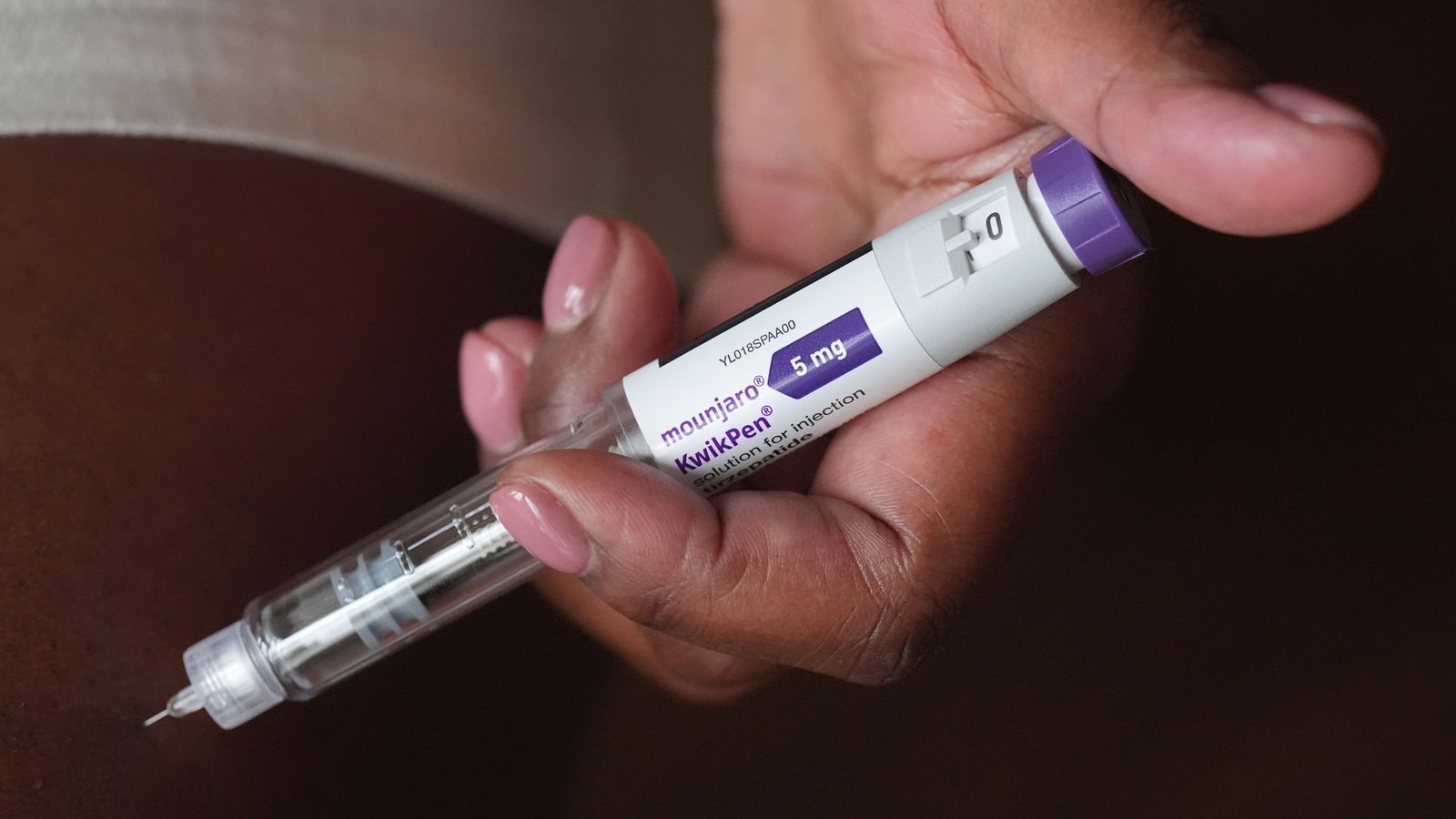
GP practices across England are set to receive financial bonuses of up to £3,000 annually for prescribing weight loss jabs to eligible patients under a new NHS initiative. The scheme, backed by £25 million in ring-fenced funding, aims to improve access to obesity care and address concerns about inequitable distribution of weight loss injections.
Health Secretary Wes Streeting announced the incentive as part of a new GP contract, emphasizing that access to treatment should be based on clinical need rather than financial means. According to the Department of Health and Social Care, practices will need to meet specific criteria to qualify for the bonus payments.
Addressing Inequitable Access to Weight Loss Jabs
The NHS began its mass rollout of weight loss injections last summer, but current estimates suggest that most of the approximately 2.4 million Britons using these medications obtain them through private prescriptions. This disparity has raised concerns about two-tier healthcare, with those who can afford private treatment bypassing NHS waiting lists.
Streeting highlighted the proliferation of rogue prescribers selling dangerous unlicensed drugs outside the regulated healthcare system. He stated that the new incentive will bring fairness to obesity jab access, a principle that has always underpinned the NHS.
Current Rollout Challenges and Limitations
NHS England has indicated that its phased rollout of Mounjaro, one of the approved weight loss injections, could take up to 12 years to complete. Initially, the treatment is available only for severely obese individuals who also have additional health complications.
Approximately 220,000 patients have been prioritized for treatment during the first three years of the program. However, current data suggests that even eligible patients face difficulties accessing the medications, as not all GP practices currently prescribe them.
Professional Concerns About Workload
Professor Victoria Tzortziou Brown, chair of the Royal College of GPs, has expressed caution about expanding the rollout too rapidly. She warned that widening access to weight loss jabs could increase workload in ways that may not be sustainable and potentially raise unrealistic patient expectations.
Additionally, Professor Brown emphasized that GPs do not make prescribing decisions based on financial incentives. According to her statement, treatment decisions are guided by clinical judgment and what is safest and most appropriate for individual patients.
Potential Impact on GP Services
NHS England previously calculated that if all eligible patients—estimated at over three million—sought treatment in the first year, it would consume significant healthcare resources. The analysis suggested that if 70 percent of eligible patients began treatment, it would occupy 18 percent of all GP appointments.
Meanwhile, research published earlier this month indicates disparities in who currently accesses weight loss jabs. The study found that women and middle-class patients are dominating the take-up of these medications, raising further questions about equitable healthcare access.
The Department of Health and Social Care has not yet announced the specific criteria GP practices must meet to receive the bonus payments. Further details about implementation timelines and eligibility requirements are expected to be released as the scheme progresses.