



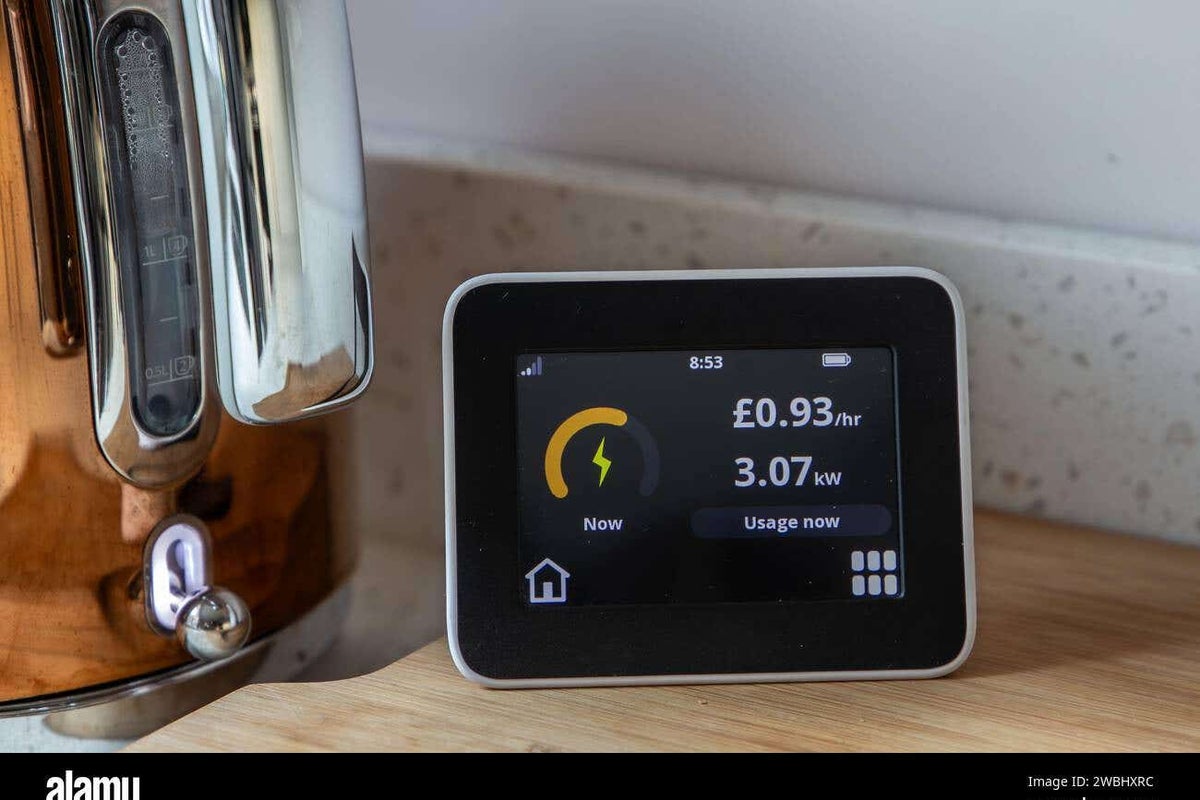
Energy bills for most UK households will decrease by 7% starting April 1, according to Ofgem, the energy regulator. The price cap will fall from £1,758 to £1,641, representing a reduction of approximately £10 per month for the average household using both electricity and gas. This decline is primarily driven by the Government’s commitment to cut £150 from the average energy bill by eliminating the Energy Company Obligation scheme.
Chancellor Rachel Reeves announced in November that the average household bill would be reduced by £150 from April through the removal of the Eco scheme, which was introduced by the previous Conservative government. The Government has instructed energy firms to pass these savings on in full to all customers from April 1, including those already on fixed tariffs.
Energy Price Cap Reduction Details
Tim Jarvis, director general of markets at Ofgem, confirmed that wholesale energy prices have fallen in recent months. He stated that the main driver of the reduction is the change to policy costs announced by the Chancellor in the budget. Additionally, Jarvis noted encouraging signs of greater engagement and competition, with switching increasing by almost 20% year on year.
However, the full £150 government cut has been partially offset by rising costs associated with upgrading electricity and gas networks. As a result, Ofgem’s overall reduction to the price cap amounts to £117 rather than the full £150 initially promised. Customers have been advised that the actual cut to their bill will vary depending on household size, property type, and energy consumption levels.
Standing Charges to Decrease
Ofgem also confirmed a decision to shift the costs of the Government’s Warm Home Discount from standing charges to the hourly unit rate of gas and electricity. Standing charges are the flat rates households pay daily to have energy supplied to their homes. Consequently, standing charges will drop by an average of £13, or 4 pence per day, for customers using both electricity and gas.
Meanwhile, energy industry representatives welcomed the price cap reduction as a positive step. Dhara Vyas, chief executive of Energy UK, described it as welcome support for households, helping make homes more affordable to keep safe, comfortable, and warm. She emphasized that while everyone should see savings from April 1, the effect of moving some policy costs will differ based on individual circumstances.
Concerns About Ongoing Affordability
In contrast to industry optimism, consumer advocates expressed continued concerns about energy affordability. Dame Clare Moriarty, chief executive of Citizens Advice, acknowledged that while falling prices are welcome, bills remain stubbornly high for many people. She warned that for millions of households, high energy costs have stopped being temporary hardship and become an ongoing threat to financial stability.
Additionally, Dame Clare highlighted the divide between those who can and cannot keep their homes warm and safe, calling for urgent action. She noted that too many people, particularly those with disabilities, families with children, and renters, remain trapped in cold, damp homes they cannot afford to heat adequately.
The new energy price cap will take effect on April 1, with all suppliers expected to implement the reductions across their customer base. The impact on individual households will vary based on consumption patterns, property characteristics, and payment methods, according to industry sources.