


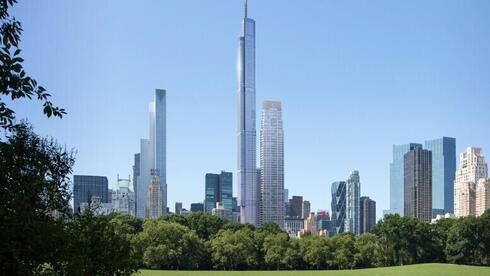
New York City’s luxury Billionaires’ Row has increasingly become a “ghost neighborhood” characterized by vacant luxury condominiums, prompting renewed scrutiny from local lawmakers. Council Member Zohran Mamdani has intensified calls for action to address the phenomenon of ultra-wealthy buyers purchasing multimillion-dollar apartments that remain largely unoccupied throughout the year. The concentration of empty luxury units along this stretch of Manhattan has sparked debate about housing policy and wealth inequality in one of the world’s most expensive real estate markets.
According to reports, the cluster of supertall residential towers near Central Park South has seen significant vacancy rates despite commanding some of the highest property values globally. Mamdani has publicly voiced frustration with the situation, arguing that these empty units represent a misuse of valuable urban space during an ongoing affordable housing crisis. The lawmaker’s criticism highlights growing tensions between luxury real estate development and the city’s pressing housing needs.
Understanding the Billionaires’ Row Ghost Neighborhood Phenomenon
The term “ghost neighborhood” refers to residential areas with high vacancy rates where purchased properties serve primarily as investment vehicles or occasional pied-à-terres rather than primary residences. Billionaires’ Row exemplifies this trend, with international investors and ultra-high-net-worth individuals acquiring apartments that may be occupied only a few weeks annually. This pattern has transformed streets that once bustled with activity into eerily quiet corridors of glass and steel.
However, the issue extends beyond mere aesthetics or neighborhood vitality. Critics argue that these vacant luxury properties contribute to artificial scarcity in the broader housing market while generating minimal economic activity for local businesses. Additionally, the property tax revenue from these units, while substantial, does not offset the social costs of removing potential housing stock from active use.
Policy Responses and Legislative Options
Mamdani’s renewed focus on Billionaires’ Row has reignited discussions about potential policy interventions to address vacancy issues. Some proposals under consideration include vacancy taxes similar to those implemented in other global cities facing comparable challenges. Such measures would impose financial penalties on property owners who leave residential units unoccupied for extended periods.
Meanwhile, supporters of luxury development argue that these properties generate significant tax revenue and construction jobs, benefiting the city’s economy overall. They contend that property rights allow owners to use their purchases as they see fit, whether as full-time residences or occasional retreats. The debate reflects broader questions about balancing property rights with public interest in housing accessibility.
Broader Implications for New York Housing
The Billionaires’ Row situation occurs against the backdrop of New York City’s persistent affordable housing shortage. Thousands of residents struggle to find reasonably priced accommodation while luxury towers stand partially empty blocks away. This stark contrast has made the ghost neighborhood a potent symbol in debates about economic inequality and urban development priorities.
In contrast to the vacant luxury units, many neighborhoods face overcrowding and housing insecurity. Advocates argue that addressing vacancy on Billionaires’ Row could help fund or incentivize affordable housing development elsewhere in the city. However, implementing effective policies requires navigating complex legal and economic considerations regarding property taxation and use restrictions.
Economic and Social Impact on Manhattan
The concentration of empty apartments affects more than housing statistics. Local businesses near Billionaires’ Row report reduced foot traffic and customer bases compared to more actively residential areas. Additionally, the lack of permanent residents diminishes the sense of community and neighborhood cohesion that typically characterizes vibrant urban districts.
Furthermore, the ghost neighborhood phenomenon raises questions about the sustainability of luxury real estate as an investment class. Some analysts suggest that oversupply in the ultra-luxury market could eventually impact property values, though demand from international buyers has remained relatively stable thus far.
Council Member Mamdani has indicated plans to continue pressing for legislative action on the issue, though specific proposals and timelines remain under development. The success of any vacancy tax or similar measure would likely depend on broader City Council support and potential legal challenges from property owners and real estate interests.