


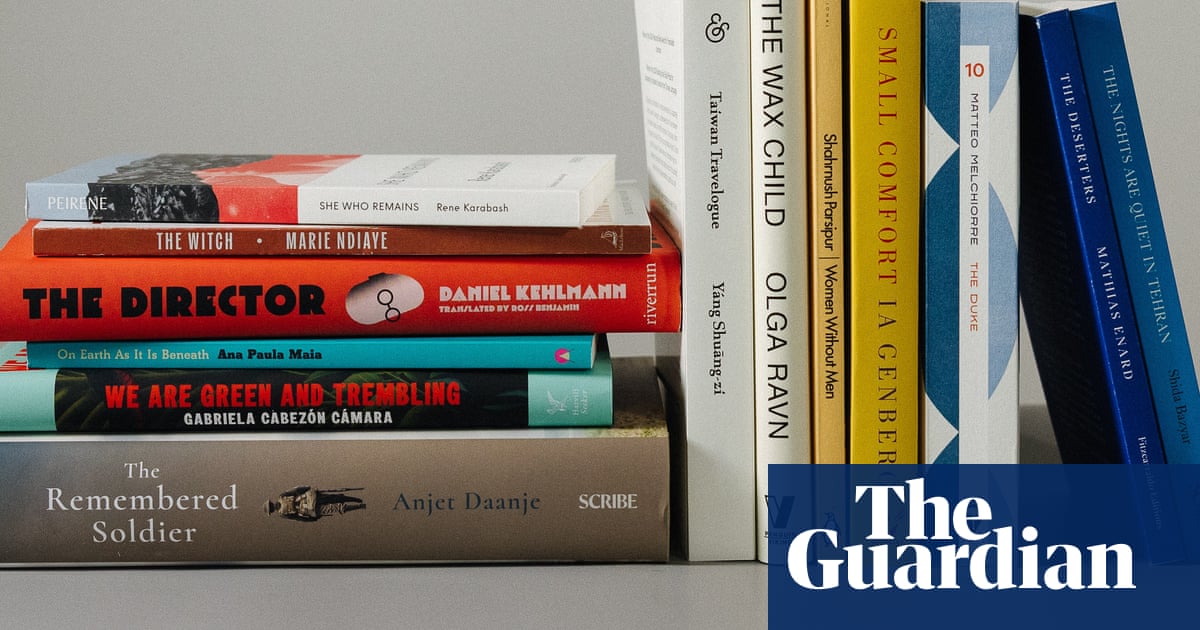
The International Booker Prize has announced its 2025 longlist of 13 titles, marking the 10th anniversary of the prestigious award that recognizes excellence in translated fiction. The “Booker dozen” includes several authors who have previously been shortlisted for the prize, including Olga Ravn, Daniel Kehlmann, Ia Genberg, Mathias Énard and Gabriela Cabezón Cámara. The winning author-translator pair will share £50,000 equally, according to the prize organizers.
This year’s International Booker Prize longlist was selected from 128 titles published in the UK or Ireland between May 1, 2025 and April 30, 2026. The submitted books were originally written in a record total of 34 languages, which Booker Prize Foundation chief executive Gaby Wood described as a sign that translated works from an increasingly broad range of languages are becoming available to English-speaking readers.
Previous Nominees Return to International Booker Prize Competition
German author Daniel Kehlmann earned a spot on the longlist for The Director, translated by Ross Benjamin, which draws inspiration from the life of filmmaker GW Pabst who collaborated with the Third Reich. According to a Guardian review, the novel “has all the darkness, shapeshifting ambiguity and glittering unease of a modern Grimms’ fairytale” and represents Kehlmann’s best work yet.
Danish writer Olga Ravn was selected for her fourth novel, The Wax Child, translated by Martin Aitken. The book explores real-life 17th-century Danish witch trials, a theme that appears elsewhere on the longlist in French writer Marie NDiaye’s The Witch, translated by Jordan Stump and originally published in French in 1996.
Historic and Contemporary Works Feature on Longlist
Several titles originally published decades ago have made this year’s longlist. Women Without Men by Iranian writer Shahrnush Parsipur, translated by Faridoun Farrokh, was first published in Persian in 1989. The book tells the story of five women from different backgrounds who end up living together in a garden on the outskirts of Tehran.
However, the novel’s history is marked by censorship and persecution. According to reports, Parsipur was imprisoned in Iran for five years in the 1980s, and shortly after her release she published Women Without Men, which led to another imprisonment. The book has been banned in Iran since 1989.
Debut Novels and Independent Publishers Recognized
The longlist features several debut novels, including She Who Remains by Bulgarian writer Rene Karabash, translated by Izidora Angel and published by independent publisher Peirene Press. The story follows a woman who avoids an arranged marriage by becoming a sworn virgin. Additionally, Italian author Matteo Melchiorre’s debut novel The Duke, translated by Antonella Lettieri, also made the list.
Independent publisher Fitzcarraldo received its 17th International Booker nomination, the most in the prize’s history, for The Deserters by Mathias Énard, translated by Charlotte Mandell. Meanwhile, Argentinian writer Gabriela Cabezón Cámara was nominated for We Are Green and Trembling, translated by Robin Myers, which won the US National Book Award for translated literature last year.
Diverse Themes and Global Perspectives
Other titles rounding out the longlist include Small Comfort by Swedish author Ia Genberg, translated by Kira Josefsson, The Nights Are Quiet in Tehran by German author Shida Bazyar, translated by Ruth Martin, and Taiwan Travelogue by Yáng Shuāng-zǐ, translated by Lin King. The list also includes The Remembered Soldier by Anjet Daanje, translated by David McKay, and On Earth As It Is Beneath by Ana Paula Maia, translated by Padma Viswanathan.
Judging chair and novelist Natasha Brown noted that many submitted books examined the devastating consequences of war, which is reflected in the longlist. However, she added that the selection also features petty squabbles between neighbors, mysterious mountain villages, pharmaceutical conspiracies, witchy women, ill-fated lovers, a haunted prison and obscure film references.
The shortlist of six books will be announced on March 31, with each shortlisted title receiving £5,000 to be split equally between author and translator. The winner will be announced on May 19 at a ceremony at Tate Modern in London, according to prize officials.