


A senior BBC executive has issued a formal apology to staff following the corporation’s failure to remove a racial slur from its broadcast of Sunday’s Bafta film awards. Chief content officer Kate Phillips acknowledged the distressing nature of the BBC Bafta broadcast error in an internal note sent on Tuesday, expressing regret that the offensive language aired during the ceremony held at London’s Royal Festival Hall.
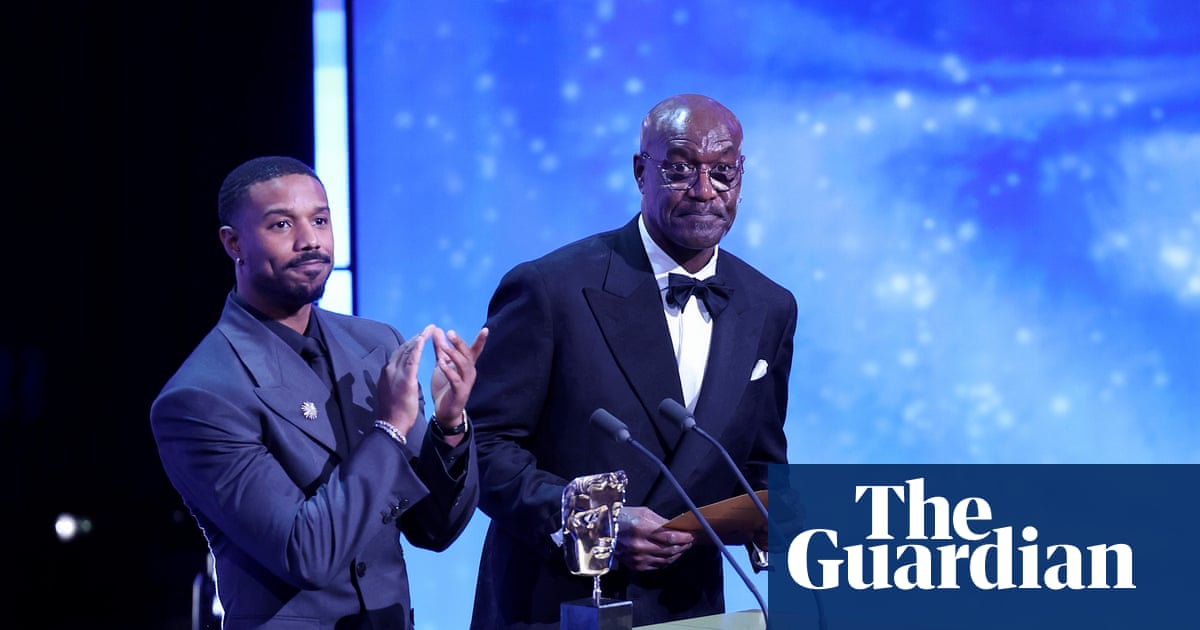
The incident occurred when Tourette syndrome campaigner John Davidson could be heard shouting the N-word as actors Michael B Jordan and Delroy Lindo presented the award for special visual effects. According to the Press Association, Phillips told staff she understood “how distressing this was” and took responsibility for the broadcasting failure.
Editing Process Under Scrutiny
Phillips revealed that the edit team had successfully removed another racial slur from the broadcast, but this particular instance “was aired in error.” She emphasized that the BBC would never have knowingly allowed such content to be broadcast. The corporation removed the original broadcast from its website around midday on Monday as criticism intensified.
However, significant confusion remains regarding how the BBC Bafta broadcast error occurred. A BBC source told the Guardian that producers were “working from a truck” and did not hear the N-word while editing the show for transmission two hours after the live event. The technical circumstances of the editing process have become a focal point of the investigation.
Warner Bros Raised Immediate Concerns
Additionally, Sinners studio Warner Bros confirmed on Tuesday that it had immediately flagged concerns with Bafta during the ceremony. The studio said it had been assured the request would be passed to the BBC and that the racial slur would be removed from the broadcast, raising questions about communication breakdowns between the organizations.
In a letter to members on Tuesday, Bafta executives Sara Putt and Jane Millichip announced a “comprehensive review” was under way. They acknowledged the harm caused and apologized unreservedly to Lindo and Jordan, who were presenting when the incident occurred. The organization took “full responsibility for putting our guests in a very difficult situation,” according to their statement.
Political and Industry Backlash Intensifies
The controversy has drawn sharp criticism from political leaders and industry figures. Conservative party leader Kemi Badenoch called the incident a “horrible mistake,” while Labour MP Dawn Butler accused the BBC of “an obvious bias” and “failure of duty of care.” Butler described the broadcast as “painful and unforgivable” and wrote to outgoing director general Tim Davie requesting an urgent explanation.
Meanwhile, film-maker Jonte Richardson resigned as a Bafta judge, calling the organization’s handling of events “utterly unforgivable.” He expressed hope that Bafta leadership would “comprehend the damage” caused and ensure production staff are “inclusive enough to prevent such an issue in the future.”
In contrast, Davidson himself issued a statement on Monday evening saying he was “deeply mortified if anyone considers my involuntary tics to be intentional or to carry any meaning.” Host Alan Cumming had addressed the possibility of involuntary verbal tics during the broadcast, though Phillips acknowledged this didn’t “lessen the impact and upset.”
Google Issues Separate Apology
The incident sparked a secondary controversy when Google apologized for an AI-generated prompt that invited users to “See more on” the N-word when linking to articles about the event. A Google spokesperson told the Guardian the company was “deeply sorry for this mistake” and had removed the offensive notification while working to prevent recurrence.
Both organizations continue their reviews of what went wrong, though neither has announced specific timelines for completing their investigations or implementing preventive measures. The full scope of procedural changes remains uncertain as the comprehensive review proceeds.