



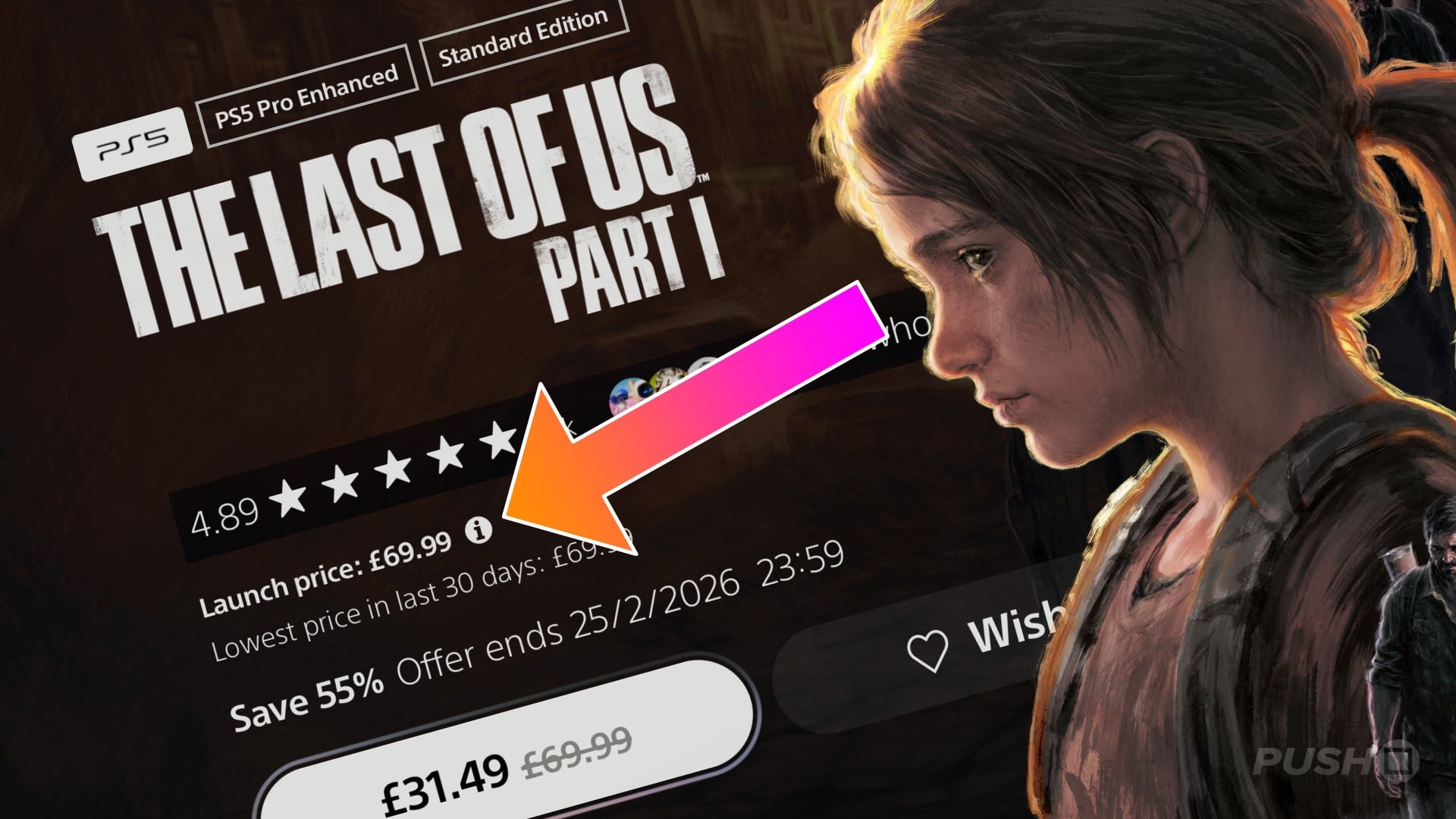
Sony has introduced a new pricing transparency feature to the PlayStation Store, allowing customers to see the original launch price of PS5 and PS4 games directly on product pages. The PlayStation Store pricing update is currently rolling out globally across the console storefront, adding another layer of information to help consumers make more informed purchasing decisions when browsing digital game offerings.
According to gaming news sources, the update displays a game’s launch price above its current price on the store page. When users highlight this information, the PlayStation Store confirms the price at which the game was sold during at least its first 30 days of availability.
How the PlayStation Store Pricing Feature Works
The new feature provides customers with historical pricing context before making a purchase. For instance, games like The Last of Us: Part I now show their original £69.99 launch price alongside current sale prices, which may be significantly lower. This allows shoppers to immediately understand the discount being offered without needing to research pricing history on external websites.
Additionally, the PlayStation Store continues to display the lowest price a game has been offered at during the previous 30 days. This complementary feature was quietly implemented in October of the previous year, further enhancing price transparency for digital game purchases.
Industry Context and Consumer Protection
However, industry observers suggest the timing and nature of this update may be tied to regulatory requirements in certain markets. Many jurisdictions have implemented consumer protection laws requiring retailers to display reference prices or historical pricing information, particularly during sales events. Sony has not officially confirmed whether legal compliance drove the decision to add launch price information.
Meanwhile, the PlayStation Store still lacks some of the detailed pricing metrics available on third-party tracking websites. Services like PSPrices and DekuDeals offer comprehensive historical data, including lowest-ever prices, price history charts, and aggregated review scores from platforms like Metacritic.
Benefits for PlayStation Customers
Nevertheless, the addition of launch price transparency represents meaningful progress for the PlayStation digital storefront. Customers can now more easily evaluate whether a promotional discount represents genuine value or simply a reduction from an inflated reference price. This is particularly valuable during major sales events when hundreds of titles may be discounted simultaneously.
In contrast to physical retail environments where pricing history is difficult to track, digital storefronts have the capability to maintain and display comprehensive pricing records. The gradual implementation of these features throughout the PS5 lifecycle indicates Sony’s willingness to improve the shopping experience on its platform.
Furthermore, increased pricing transparency may influence publisher pricing strategies over time. When customers can easily see launch prices and discount patterns, publishers may be incentivized to set more competitive initial prices rather than relying on frequent deep discounts from inflated starting points.
Comparing Digital Storefront Transparency
The PlayStation Store joins other digital platforms in offering enhanced pricing information, though implementation varies across the gaming industry. Some competing storefronts have offered similar features for years, while others provide minimal historical pricing context. The addition positions Sony more competitively in terms of consumer-friendly shopping features.
Additionally, the update applies to both PS5 and PS4 game listings, ensuring consistency across Sony’s current gaming ecosystem. This unified approach simplifies the shopping experience regardless of which console generation customers are purchasing games for.
Sony has not announced whether additional pricing transparency features will be added to the PlayStation Store in the future. The company typically implements storefront updates without advance notice, leaving customers to discover improvements as they roll out across different regions.