


Scotland has developed realistic short-term climate emissions reduction plans, but significant concerns remain about the credibility of its medium and long-term strategies to achieve net zero by 2045, according to the UK Climate Change Committee. The watchdog published its latest annual assessment of Scotland’s climate progress, revealing major gaps in planning beyond 2030.
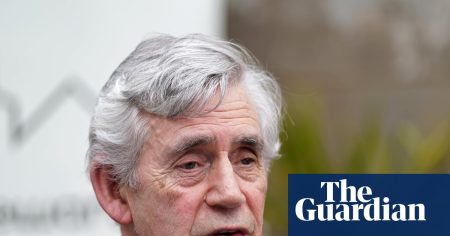
Nigel Topping, chair of the UK Climate Change Committee, said there were “flashing amber lights” regarding the quality of some of the Scottish government’s proposals. In November last year, Scotland replaced its increasingly unachievable annual targets with five-year carbon budgets, mirroring the system used across the UK. Scotland had previously missed eight of its 12 annual targets and abandoned efforts to cut emissions by 75% by 2030.
Strong Start But Scotland Climate Strategy Weakens After 2030
The committee estimates Scotland has realistic plans covering 91% of the emissions cuts needed by 2030, which Topping described as a very high confidence figure. However, the credibility of Scotland’s climate strategy drops substantially for later periods. For the second carbon budget extending to 2035, credible plans exist for only 64% of required cuts, while the third budget through 2040 falls to just 58%.
According to the CCC, these later targets face “significant risks or insufficient plans.” The committee identified areas of greatest concern including progress on decarbonizing heating in buildings, particularly heat pump installation, and heavy reliance on unproven technologies. Scotland’s approach depends significantly on carbon capture and storage and machines designed to remove carbon dioxide from the atmosphere.
Heavy Dependence on Unproven Technologies Raises Concerns
Jamie Livingston, head of Oxfam Scotland, criticized the findings, stating that “Scotland’s approach is too reliant on science fiction and too silent on where the significant cash injection needed will come from.” The research foundation Nesta estimated Scotland would need to install 110,000 heat pumps or other low-carbon systems over the next four years to meet its 2030 carbon budget—triple the number in current government plans.
Additionally, experts outside the CCC have questioned optimism about Scotland’s peatland restoration strategy. NatureScot, the government nature conservation agency, estimated it will cost at least £3 billion to restore Scotland’s 1.3 million hectares of degraded peatland and will likely miss its target to restore 250,000 hectares by 2030.
Progress in Electric Vehicles and Renewable Energy
Meanwhile, Topping acknowledged Scotland was making good progress in certain areas, particularly electric vehicle infrastructure. Scotland has installed a higher per capita number of EV chargers than the UK average and recently began meeting annual targets for peatland restoration, which reduces carbon emissions from degraded land.
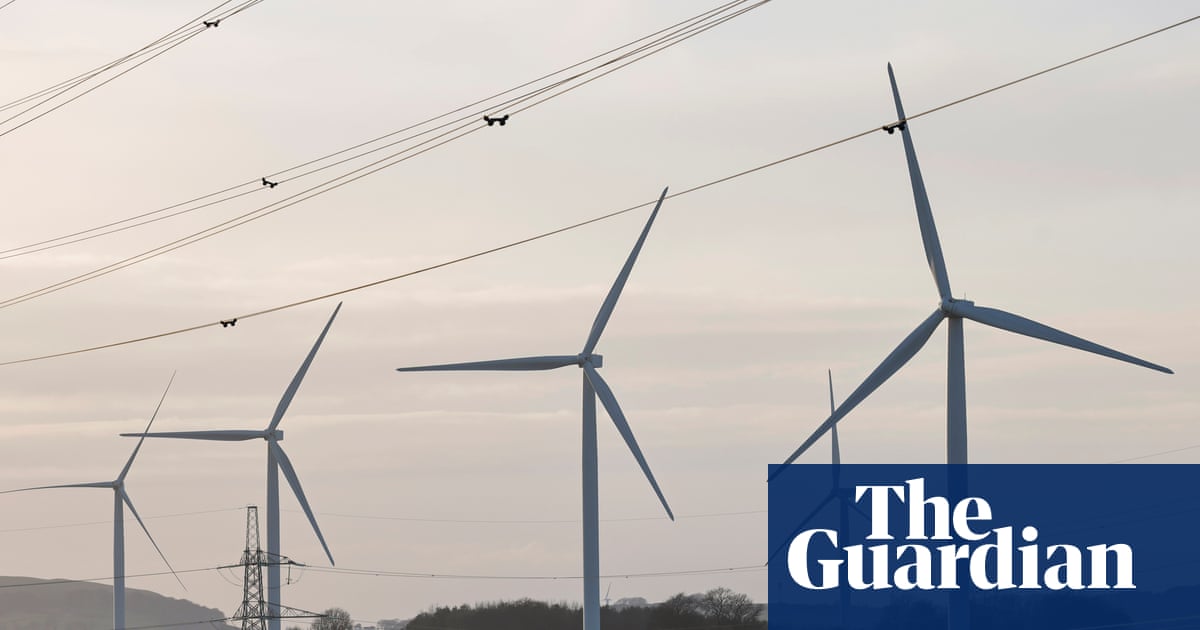
Furthermore, Scotland has already cut emissions by 51.3% compared with 1990 levels, largely through closing coal-fired power stations and building windfarms. Under the Scottish National party, the devolved government has championed climate policies, with former first minister Nicola Sturgeon becoming the first UK leader to declare a climate emergency.
Majority of Emissions Controlled by Scottish Policy
However, Topping warned that 58% of Scotland’s overall emissions are covered by Scottish government policies rather than UK-level policy, placing primary responsibility on Edinburgh. While Scotland contributes less than a tenth of the UK’s onshore climate emissions, its devolved government maintains significant control over achieving reduction targets.
Lang Banks, director of WWF Scotland, emphasized the urgency of action on the Scotland climate strategy, stating that “much greater action is needed to cut carbon emissions from Scotland’s homes and land.” He added that delays increase the climate crisis and postpone benefits including lower energy bills, warmer homes, healthier air, and nature recovery.
Gillian Martin, the Scottish net zero secretary, said the government would use the committee’s feedback to help produce its final climate crisis action plan, though she did not directly address the CCC’s criticisms. The timing and specific details of this final action plan remain to be confirmed.