



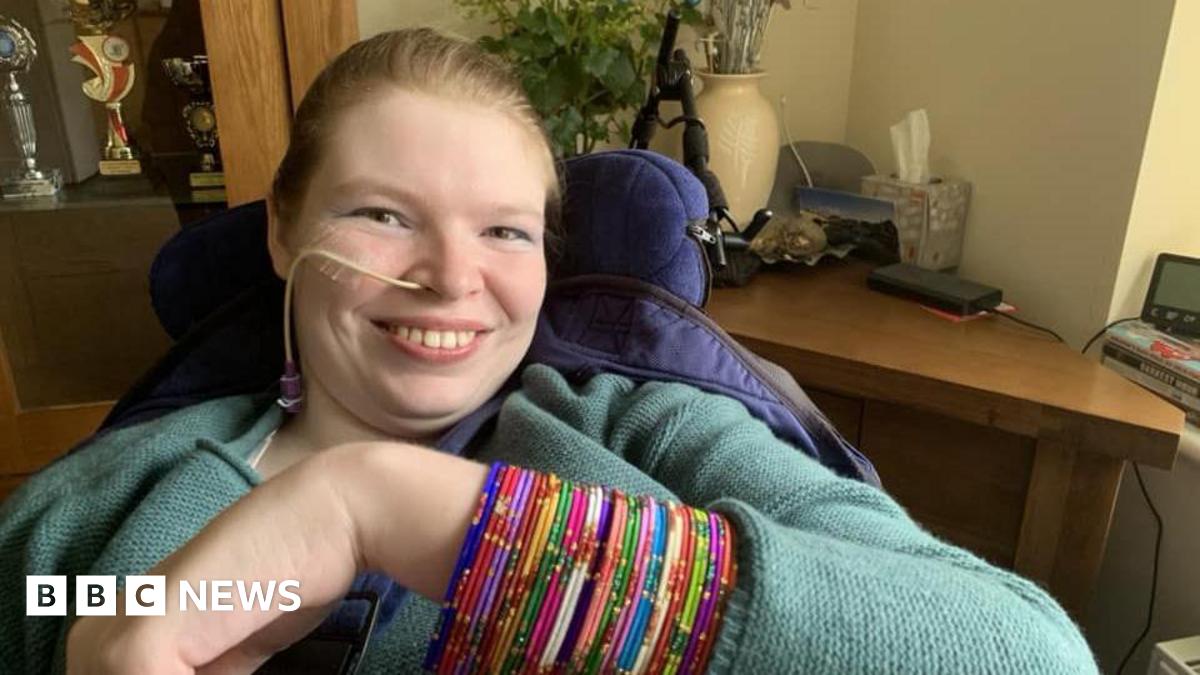
A disabled woman with multiple complex health conditions has been placed in a nursing home against her wishes after NHS care commissioners determined she could not return to her own home following a hospital stay. Ritchie, who was admitted to East Surrey Hospital in April with pneumonia, wanted to be discharged back to her home where she previously received 24-hour nursing care funded by NHS Continuing Healthcare, but NHS Sussex All Age Continuing Care made the decision to transfer her to a care facility instead.
According to her mother Christine Ritchie, her daughter refused the nursing home placement and was “devastated” when the transfer occurred. Ritchie lives with Ehlers-Danlos syndrome, functional neurological disorder, Addison’s disease, and epilepsy, requiring complex medical support including a tracheostomy and occasional ventilator use.
Impact on Independent Living and Academic Pursuits
Before her hospital admission, Ritchie maintained an active and independent lifestyle in her own home with dedicated nursing support. She was pursuing a master’s degree in sustainability at Southampton University while serving as a charity ambassador and keynote speaker. Additionally, she was recognized in 2023 and 2024 as one of the most influential disabled people in the UK for her pioneering work supporting communication using eye movement technology, which she has relied on since 2017.
The young woman communicates primarily through eye-gaze technology after losing her ability to speak. Her mother reported that when Ritchie was transferred from East Surrey Hospital to Temple Grove Nursing Home, her powered wheelchair was “switched off and pushed,” emphasizing that “she didn’t consent to go.”
Quality of Life Concerns in Nursing Home Placement
Ritchie has expressed significant concerns about the limitations imposed by nursing home living compared to her previous home-based care arrangement. In her own home with dedicated nurses, she explained feeling safe and able to see friends and family easily, with her father visiting almost daily. Furthermore, home living provided her with agency and control over her surroundings, free from institutional rules and policies.
However, the nursing home environment restricts her independence and mobility significantly. At home, Ritchie had access to a wheelchair-adapted van that enabled her to attend events, go shopping, and participate in university activities. She told the BBC that “life will not be worth living” if she cannot return home, highlighting the profound impact the placement has had on her wellbeing.
NHS Continuing Healthcare Decision-Making
The case raises questions about patient autonomy and decision-making in NHS Continuing Healthcare placements for disabled individuals with complex needs. Meanwhile, Ritchie’s hospitalization was prolonged due to complications following her initial pneumonia diagnosis, which appears to have triggered a reassessment of her care arrangements by NHS Sussex commissioners.
The transition from hospital to nursing home occurred despite Ritchie’s clear preference to return to her previous living situation. In contrast to her home environment where she maintained independence and pursued academic goals, the nursing home setting has significantly curtailed her activities and social connections.
Authorities have not confirmed whether Ritchie’s case is being reviewed or if there are ongoing discussions about alternative care arrangements. The outcome of any potential reassessment of her NHS Continuing Healthcare funding and placement remains uncertain at this time.