


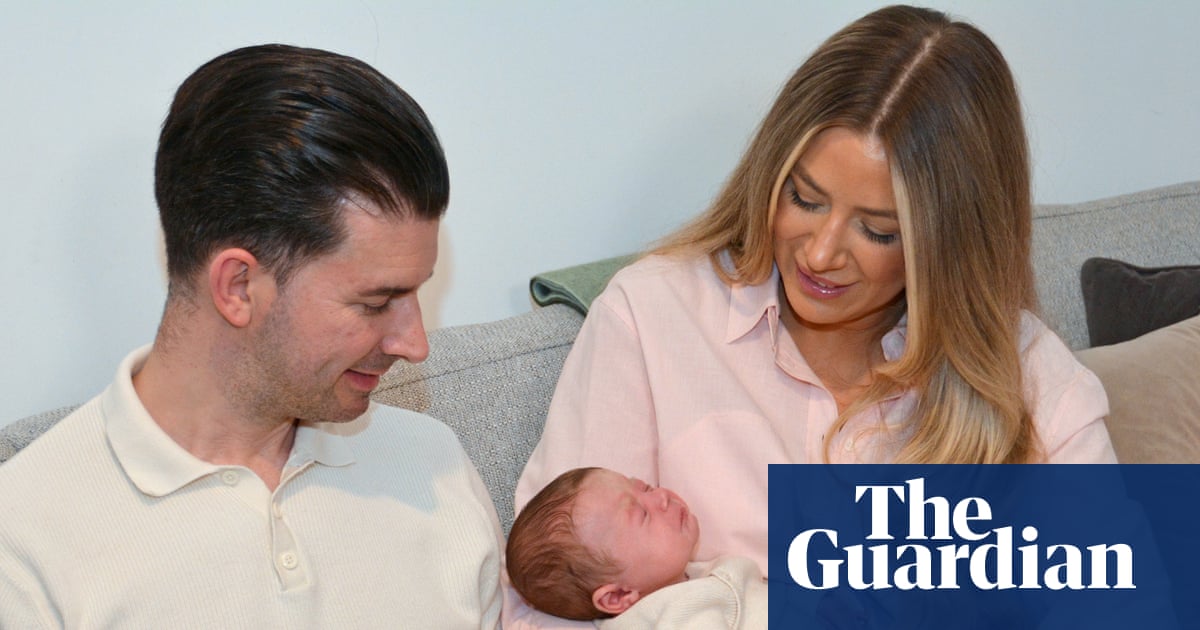
A baby boy named Hugo has become the first child born in the United Kingdom to a mother who received a womb transplant from a deceased donor. Hugo Powell was delivered at Queen Charlotte’s and Chelsea hospital in London in December, weighing 3.09kg, marking a significant milestone in reproductive medicine and womb transplant procedures.
The baby’s mother, Grace Bell, an IT programme manager, received the transplanted womb from a deceased donor in 2024. Bell was born with Mayer-Rokitansky-Küster-Hauser syndrome, a rare condition that results in an underdeveloped or missing womb. She began fertility treatment several months following the womb transplant procedure.
Understanding Womb Transplant Surgery
According to medical professionals involved in the case, this represents only the third reported birth in Europe using a womb from a deceased donor. The procedure offers hope to women with MRKH syndrome and other conditions affecting the uterus. Bell was informed as a teenager that she would be unable to carry a child naturally.
Professor Richard Smith, the clinical lead at Womb Transplant UK and consultant gynaecological surgeon at Imperial College healthcare NHS trust, was present at the birth. Smith told PA Media that the team had worked together for years to achieve this outcome, describing it as “fantastic, just amazing.”
The Impact of Organ Donation
The deceased donor’s generosity extended beyond the womb transplant. According to reports, five other organs from the same donor were transplanted into four additional people, saving multiple lives. The donor’s parents expressed that while losing their daughter had shattered their world, they felt tremendous pride in her legacy of compassion and courage.
Bell expressed profound gratitude toward her donor and the donor’s family. She stated that she thinks of her womb donor every day and described Hugo’s birth as a “miracle,” adding that she never thought having a biological child would be possible. The couple honored Professor Smith by giving Hugo the middle name Richard.
Medical Considerations and Future Plans
The transplanted womb will eventually be removed once Bell and her partner, Steve Powell, have finished having children. This decision will spare Bell from requiring lifelong immunosuppressant drugs, which are necessary to prevent organ rejection following transplant procedures.
Meanwhile, the UK’s first womb transplant occurred in 2023, involving Grace Davidson, another MRKH patient who received a uterus from her older sister in a living donation. Approximately 25 to 30 babies have been born worldwide from deceased womb donation, according to medical data. More than two-thirds of womb transplants globally involve living donors, while about one-third come from deceased donors.
Special Consent Requirements for Womb Transplant Donations
However, womb donation requires unique consent procedures compared to other organs. The womb is not covered by standard organ donation consent or by joining the organ donor register. Additionally, it is not included under deemed consent policies that presume donation unless individuals opt out.
In contrast to other organ donations, potential donors’ families must be asked specifically whether they are willing to approve a womb donation. This additional layer of consent ensures families make informed decisions about this particular type of transplant.
Medical teams continue to monitor outcomes from womb transplant procedures as the field advances. The long-term success of these transplants and their impact on reproductive medicine remains an area of ongoing research and clinical observation.